AHA vs AMA insulation is a material-selection question that appears simple because both products are flexible three-layer laminates with aramid-paper outer layers. The important difference sits in the middle layer. AHA uses a polyimide film core, while AMA typically uses a polyester film core. That change affects the thermal design range, dielectric behavior, mechanical processing, material cost, and the types of electrical insulation systems in which each laminate is normally considered.
For transformer engineers and material buyers, the safest approach is not to select AHA or AMA from the product name alone. The material should be reviewed together with the transformer thermal class, winding temperature, layer or phase-insulation function, required thickness, bending and forming process, dielectric stress, adhesive system, and the complete insulation-system qualification.
يشرح هذا الدليل AHA vs AMA insulation for dry-type transformer, reactor, motor, and electrical-equipment applications. It focuses on laminate structure, thermal design, thickness, bending, dielectric properties, mechanical strength, manufacturing process, incoming inspection, and RFQ information. It also explains why one high-temperature material specification cannot be used to claim the thermal class of the finished transformer automatically.
What Is AHA Insulation?
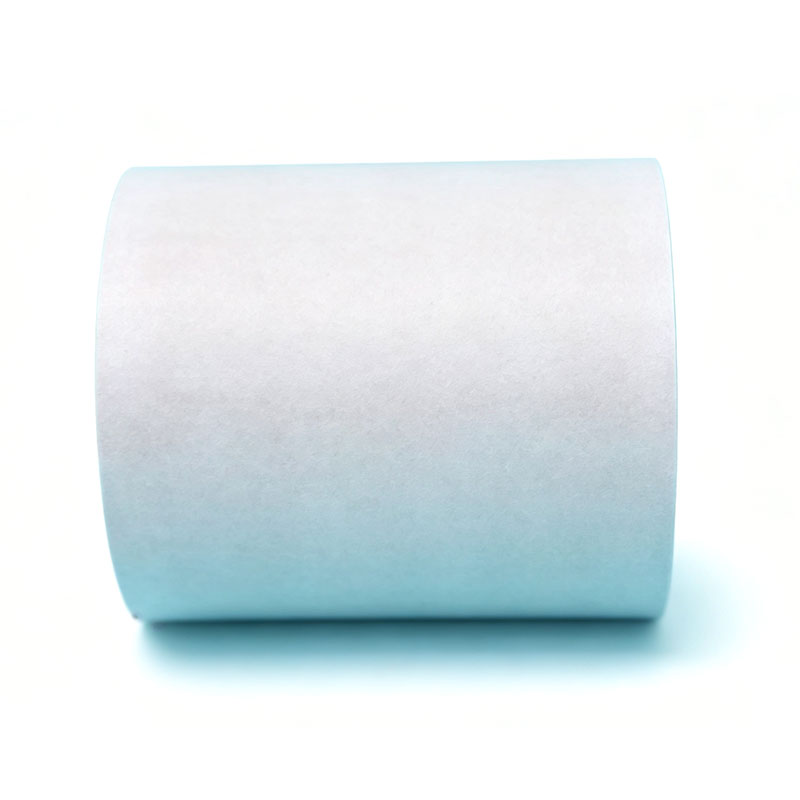
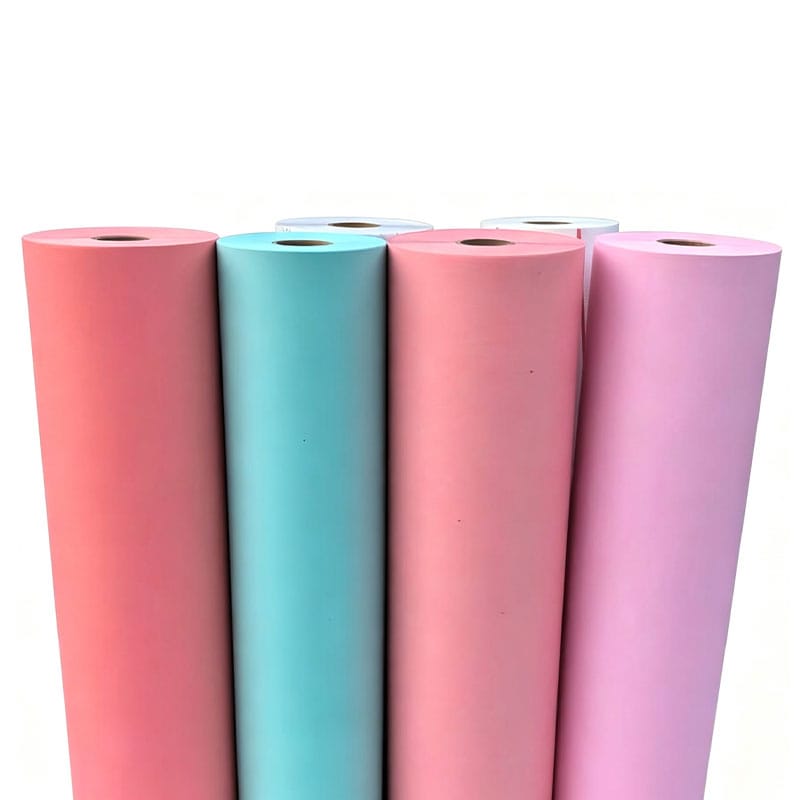
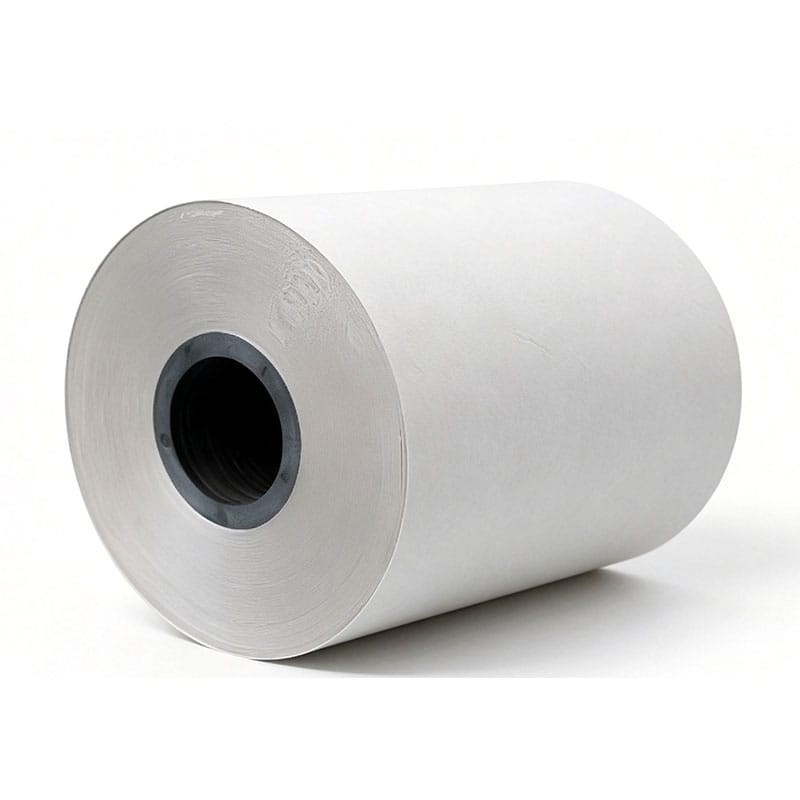
AHA is a three-layer flexible electrical-insulation laminate that uses aramid paper on both sides of a polyimide film core. Prennox’s current آها product page describes this same structure: a polyimide film between two aramid-paper layers.
The polyimide core provides the main dielectric film and supports high-temperature electrical-insulation applications, while the outer aramid paper protects the film during slitting, bending, winding, assembly, and other mechanical processing.
في AHA vs AMA insulation comparison, the polyimide film is the defining feature of AHA. Polyimide is generally selected when the insulation design needs higher thermal capability than a standard polyester-film laminate can provide.
However, the final thermal rating of an AHA product should still be confirmed from the approved product specification, and the complete transformer insulation system must be evaluated separately.
What Is AMA Insulation?
AMA is also a three-layer flexible laminate, but its typical construction uses aramid paper on both sides of a polyester film core. The aramid facings provide mechanical protection and surface durability, while the polyester film provides a continuous dielectric barrier.
This makes AMA suitable for many layer, phase, liner, winding, motor-slot, and general electrical-insulation applications where the required thermal and dielectric conditions match the approved polyester-based laminate.
The main structural difference in AHA vs AMA insulation is therefore straightforward:
AHA: aramid paper + polyimide film + aramid paper.
AMA: aramid paper + polyester film + aramid paper.
The exact thickness, adhesive system, film gauge, aramid-paper type, thermal rating, and test values should still be confirmed for the specific material supplied.
AHA vs AMA Insulation Starts With the Center Film
| عامل الاختيار | آها | أما |
|---|---|---|
| Outer layers | Aramid paper | Aramid paper |
| Center film | Polyimide film | Polyester film |
| Main design direction | Higher-temperature flexible insulation applications | General high-performance flexible insulation applications within the approved polyester-based system |
| Dielectric barrier | Primarily provided by PI film | Primarily provided by PET film |
| Mechanical protection | Aramid facings protect the film | Aramid facings protect the film |
| Typical supply forms | Rolls, sheets, slit tapes or converted parts | Rolls, sheets, slit tapes or converted parts, depending on supplier capability |
The table shows why AHA vs AMA insulation cannot be reduced to two different product names for the same laminate. The center film changes the thermal and processing basis of the material.
Thermal Class Must Be Reviewed at Material and System Level
Thermal class is one of the main reasons engineers compare AHA vs AMA insulation. Polyimide-based AHA is commonly selected for higher-temperature insulation designs, while polyester-based AMA is generally used in lower thermal classes than AHA.
But the transformer designer should avoid a common mistake: assigning the thermal class of one sheet material directly to the complete transformer.
IEC 60085:2007 distinguishes between electrical insulating materials and complete electrical insulation systems. The thermal endurance of one laminate does not automatically establish the thermal classification of the full winding insulation system.
A transformer may contain flexible laminate, conductor insulation, resin, adhesive, spacers, varnish, molded parts, and other materials. All of those materials work together under heat, electric stress, mechanical loading, and environmental conditions.
لذلك،, AHA vs AMA insulation selection should use the approved system temperature requirement first and then verify that every component is compatible with that system.
Polyimide and Polyester Do Not Age the Same Way at High Temperature
The reason AHA is considered for higher-temperature applications is not simply a different product label. Polyimide and polyester have different polymer structures and different thermal endurance characteristics.
When the operating temperature approaches the upper range of a polyester-based insulation system, long-term thermal aging becomes increasingly important. A polyimide-film laminate can provide additional thermal design margin when the complete insulation system is engineered around that material.
في AHA vs AMA insulation comparison, this means the buyer should ask two separate questions:
What is the required continuous thermal class or temperature index for the application?
Does the specific laminate construction, adhesive system, film, aramid paper, and finished insulation system support that requirement?
A material should not be upgraded from AMA to AHA only because a higher temperature number sounds safer. Higher-performance material can also change cost, forming behavior, thickness options, adhesive compatibility, and the need for system-level validation.
Thickness Selection Still Depends on the Transformer Geometry
AHA and AMA are available in multiple nominal thicknesses. Prennox’s current AHA page publishes common options around 0.15–0.38 mm and shows performance data for several nominal thicknesses.
ل AHA vs AMA insulation, thickness must be selected from the winding and mechanical design rather than from thermal class alone.
A thicker laminate can provide greater physical separation and mechanical protection, but it also increases layer build, winding dimensions, and required clearances. A thinner laminate can help create a compact insulation system but may provide less mechanical margin during folding or insertion.
The purchase specification should define nominal thickness, tolerance, finished width, roll or sheet dimensions, and whether the material will be slit, folded, die-cut, or supplied as converted parts.
Dielectric Strength Should Be Compared Under the Same Test Condition
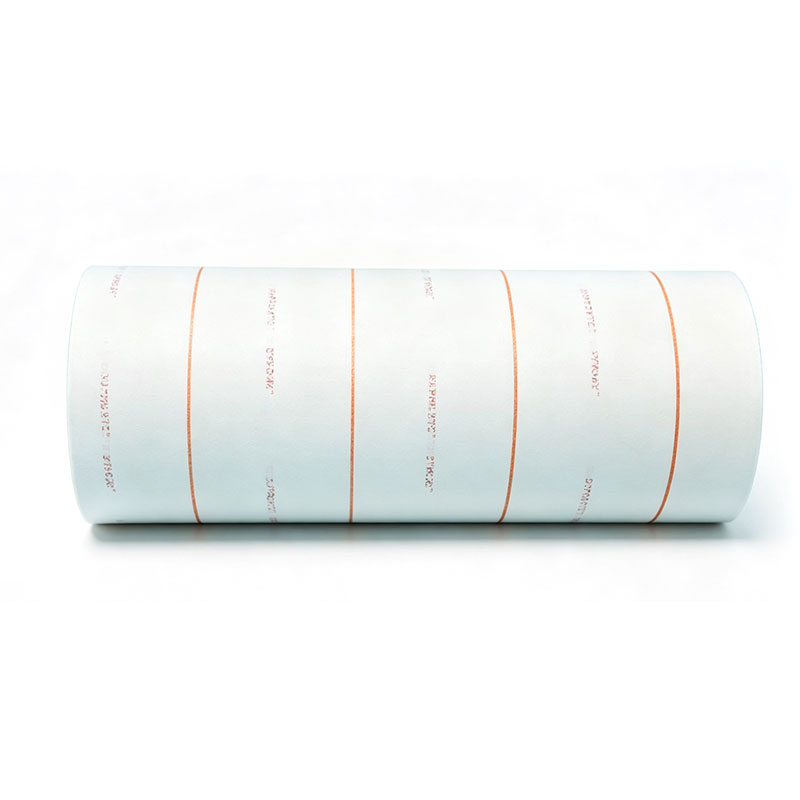
Both AHA and AMA use a film core to provide a strong dielectric barrier. However, a breakdown-voltage value only has meaning when thickness, test condition, sample preparation, bending condition, and test method are known.
Prennox’s current AHA data table reports breakdown voltage both before and after bending for several thicknesses. That is useful because bending can reveal how well the laminate maintains insulation performance after mechanical processing.
في AHA vs AMA insulation comparison, buyers should avoid taking a breakdown-voltage value from one thickness of AHA and comparing it with another thickness of AMA without normalizing the test conditions.
The correct specification should identify the required dielectric property and the approved test method rather than simply asking for “high dielectric strength.”
Bending Performance Matters for Layer, Phase and Liner Insulation
Flexible insulation is rarely used as a perfectly flat sheet. It may be folded around winding edges, bent into a liner, inserted between phases, wrapped around a conductor group, or converted into a formed component.
This makes bending performance a practical part of AHA vs AMA insulation اختيار.
The aramid outer layers help protect the film against abrasion and mechanical stress during processing. But the central film, adhesive layer, total thickness, bending radius, and forming temperature can still influence whether the laminate cracks, delaminates, creases, or loses dielectric performance.
If the insulation part includes a tight fold, the transformer manufacturer should validate the actual converted geometry rather than approving the material only from a flat-sheet data sheet.
Mechanical Strength Should Match the Conversion Process
Tensile strength and elongation influence how well a flexible laminate survives slitting, sheeting, feeding, folding, punching, winding, and installation.
Prennox’s AHA page publishes machine-direction and cross-direction tensile requirements and elongation values. These properties are useful for evaluating whether the material can tolerate processing without tearing or excessive deformation.
ل AHA vs AMA insulation, the buyer should review the mechanical requirements that matter to the specific process. A motor-slot liner, transformer layer separator, phase barrier, and die-cut spacer may place very different loads on the same laminate.
The strongest material on a tensile-data table is not automatically the easiest material to fold or insert, so AHA vs AMA insulation should be validated against the actual converting process.
The Adhesive System Is Part of the Laminate Performance
A flexible composite material depends not only on the outer paper and center film but also on the adhesive that bonds those layers together.
The adhesive must survive thermal aging, bending, slitting, humidity, varnish or resin exposure where applicable, and the mechanical stresses of the final assembly.
في AHA vs AMA insulation RFQ, the buyer may not need to specify the exact adhesive chemistry unless the transformer design requires it. However, the approved thermal class and compatibility with the manufacturing process should be confirmed.
Delamination after bending or thermal exposure can compromise the dimensional and electrical performance of the finished insulation part even if the individual film and paper layers are acceptable.
IEC 60626 Applies to Combined Flexible Electrical-Insulation Materials
IEC 60626-1:2023 defines combined flexible materials for electrical insulation and provides general requirements for laminates made from combinations of films, papers, woven or non-woven materials, and related insulation components.
The standard also makes an important point: compliance with a material specification does not automatically mean the material is correct for every application. The user must select the material according to the actual service requirements.
This principle is directly relevant to AHA vs AMA insulation. Both materials can be legitimate flexible laminates, but the transformer engineer still needs to decide which structure suits the temperature, voltage, mechanical process, and insulation-system design.
Dry-Type Transformer Requirements Should Be Reviewed Separately
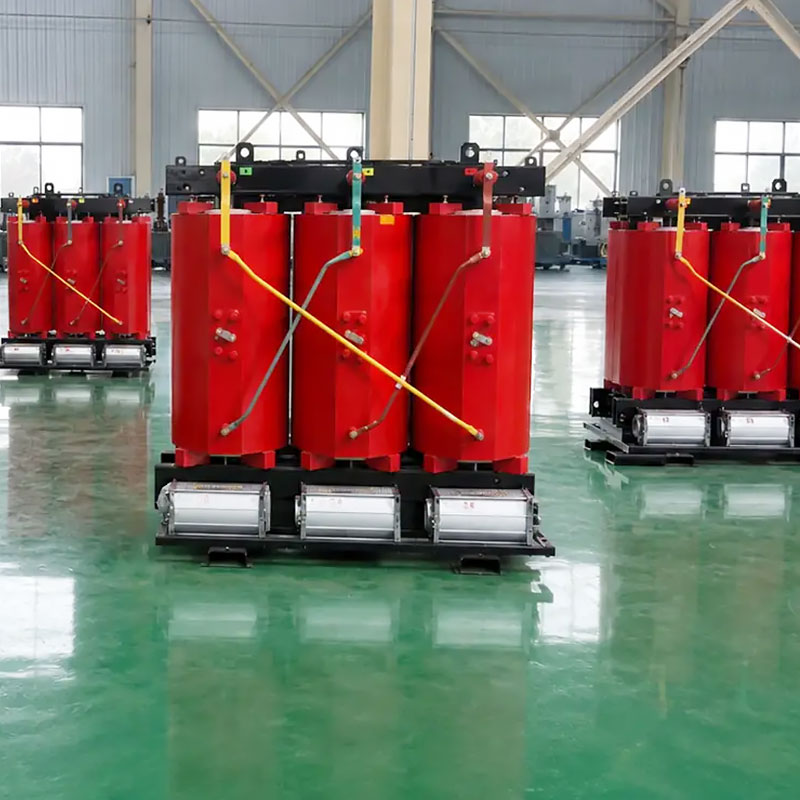
AHA and AMA are commonly considered for dry-type transformer and reactor insulation, but material selection should be coordinated with the complete transformer standard.
إيك 60076-11:2018 applies to dry-type power transformers within its defined scope and addresses thermal, dielectric, environmental, climatic, enclosure, and fire-behaviour requirements.
في AHA vs AMA insulation review, this means the flexible laminate should support the transformer’s approved design, but the laminate itself does not establish transformer compliance with IEC 60076-11.
Prennox’s current cast resin transformer page states that the insulation system is selected according to the confirmed thermal and temperature-rise requirements, which is the correct system-level approach.
AHA Is Not Automatically Required for Every High-Temperature Project
It can be tempting to choose AHA whenever the project mentions high temperature. That may be appropriate in some designs, but it can also create unnecessary cost or processing complexity if the actual insulation system does not require the polyimide film.
مناسب AHA vs AMA insulation comparison should begin with the required thermal class, continuous operating temperature, hot-spot design, resin or varnish system, and the temperature capability of the other winding materials.
If the complete transformer is designed around a lower-temperature system, switching one layer material to a higher-temperature laminate does not automatically raise the transformer’s thermal rating.
AMA Is Not Simply a Lower-Cost Version of AHA
AMA uses a different film system and should be treated as a different technical material, not as a downgraded copy.
For applications whose thermal, dielectric, and mechanical requirements fit a polyester-film laminate, AMA can be a rational engineering choice. The material can provide aramid-paper surface protection together with a PET dielectric film in a flexible composite structure.
The right AHA vs AMA insulation choice therefore depends on the application window. If the design does not need the additional thermal capability of polyimide, AMA may meet the insulation requirement effectively when the approved technical data supports it.
Incoming Inspection Should Verify Structure and Performance
| الاختيار الوارد | ماذا تتحقق | لماذا يهم |
|---|---|---|
| الهوية المادية | AHA or AMA, batch and supplier identification | Prevents laminate substitution |
| بناء | Outer aramid layers and specified center film | Confirms the approved material structure |
| سمك | Nominal value and tolerance | Controls insulation build and fit |
| العرض / الحجم المحول | Roll, sheet, slit tape or die-cut dimensions | Supports production equipment and assembly |
| حالة السطح | Wrinkles, contamination, delamination and edge damage | يقلل من عيوب العملية والعازل |
| Dielectric report | Breakdown or other required electrical values | Verifies the agreed electrical requirement |
| تقرير ميكانيكي | Tensile, elongation and bending requirements where specified | Supports converting and assembly |
| Thermal documentation | Approved material class or supporting documentation | Prevents unverified thermal claims |
A receiving inspection should not approve AHA vs AMA insulation only from color, marking line, or packaging. The material structure and certificate need to match the approved purchase specification.
Common AHA vs AMA Insulation Selection Mistakes
Choosing Only by Temperature Class
Thermal class is important, but dielectric stress, thickness, mechanical processing, bending, adhesive compatibility, and the complete insulation system must also be reviewed.
Assuming One Material Can Directly Replace the Other
AHA and AMA use different center films. Substitution should be reviewed through electrical, thermal, mechanical, dimensional, and processing requirements.
Using One Breakdown-Voltage Value as the Final Decision
Breakdown voltage depends on thickness and test condition. It does not replace a complete insulation-system design.
Ignoring Bending and Converted-Part Geometry
A laminate that performs well as a flat sample still needs to survive the actual slit, fold, liner, or phase-barrier geometry used in production.
Using a Material Thermal Rating as a Transformer Rating
The thermal class of one laminate does not establish the thermal class of the complete dry-type transformer.
What to Include in an AHA vs AMA Insulation RFQ
مفيد AHA vs AMA insulation RFQ should make the application and system requirements clear before the supplier proposes material.
نوع المادة: AHA, AMA, or an approved supplier proposal if both are under evaluation.
تطبيق: transformer layer insulation, phase insulation, liner, reactor insulation, motor slot liner, or another defined use.
المتطلبات الحرارية: required insulation-system class, operating temperature, and any thermal-aging documentation needed.
أبعاد: nominal thickness, thickness tolerance, roll width, slit width, sheet size, die-cut or formed dimensions.
الخواص الكهربائية: breakdown-voltage requirement and test condition, plus any other dielectric acceptance criteria.
الخواص الميكانيكية: tensile strength, elongation, bending or forming requirements where relevant.
Processing: slitting, folding, punching, resin/varnish exposure, winding process, and any adhesive-compatibility requirements.
توثيق: batch traceability, inspection certificate, technical data sheet, quantity, packing, and destination.
What Prennox Needs Before Reviewing AHA or AMA
تيار برينوكس آها page describes the product as aramid paper / polyimide film / aramid paper and lists common thickness options around 0.15–0.38 mm, with rolls, sheets, or slit tapes available. The page also states that final dimensions, thermal class, performance requirements, and inspection documents are confirmed before order.
Because the exact AMA construction and final performance should be confirmed from the approved product data for the order, buyers should send the intended insulation function, thickness, width, bending or converting process, thermal requirement, dielectric requirement, quantity, and required inspection documents rather than relying only on the name “AMA.”
For broader insulation selection, review the existing دليل المواد العازلة للمحول, DMD مقابل DMD Prepreg, ، و سمك ورق عزل المحولات guides. Project specifications can be submitted through the صفحة الاتصال.
خاتمة
AHA vs AMA insulation is primarily a comparison between two aramid-faced flexible laminates with different center films. AHA uses polyimide film and is commonly considered for higher-temperature insulation designs. AMA typically uses polyester film and can be appropriate where the approved transformer or electrical-insulation system fits the polyester-based laminate.
The final decision should consider thermal-system requirements, dielectric stress, thickness, mechanical strength, bending, converted-part geometry, adhesive compatibility, process conditions, and supplier test documentation.
Most importantly, do not let one material name or one temperature value make the entire design decision. The correct laminate is the one whose verified structure and performance match the complete electrical-insulation system and the real manufacturing process.
الأسئلة الشائعة
What is the main difference in AHA vs AMA insulation?
AHA vs AMA insulation mainly differs in the center film. AHA uses polyimide film between aramid-paper layers, while AMA typically uses polyester film between aramid-paper layers.
Is AHA always a higher-temperature material than AMA?
AHA is generally selected for higher-temperature insulation because of its polyimide film core, while AMA commonly uses polyester film. However, the exact thermal rating must come from the approved material specification and complete insulation-system design.
Can AMA directly replace AHA in a transformer?
Not automatically. The substitution must be checked against thermal class, dielectric requirements, thickness, mechanical properties, bending, adhesive compatibility, and the transformer’s complete insulation system.
Does thicker AHA or AMA always provide better insulation?
No. Greater thickness can increase physical separation but also increases winding or liner build. The correct thickness should be selected from the electrical and mechanical design rather than maximized.
What information should be included in an AHA vs AMA insulation RFQ?
Provide material type, application, thermal requirement, nominal thickness, tolerance, width or converted dimensions, dielectric and mechanical requirements, processing conditions, quantity, packing, and required inspection documents.