Table of Contents
A dimension becomes useful when the reader knows its datum, tolerance and purpose. For the specified Hi-B laminated core, an apparently small mismatch at net limb section can prevent assembly even while the overall envelope looks correct. The practical question behind Hi-B core stack height is which dimensions must be controlled together, and which inspection state represents the part that will actually be installed.
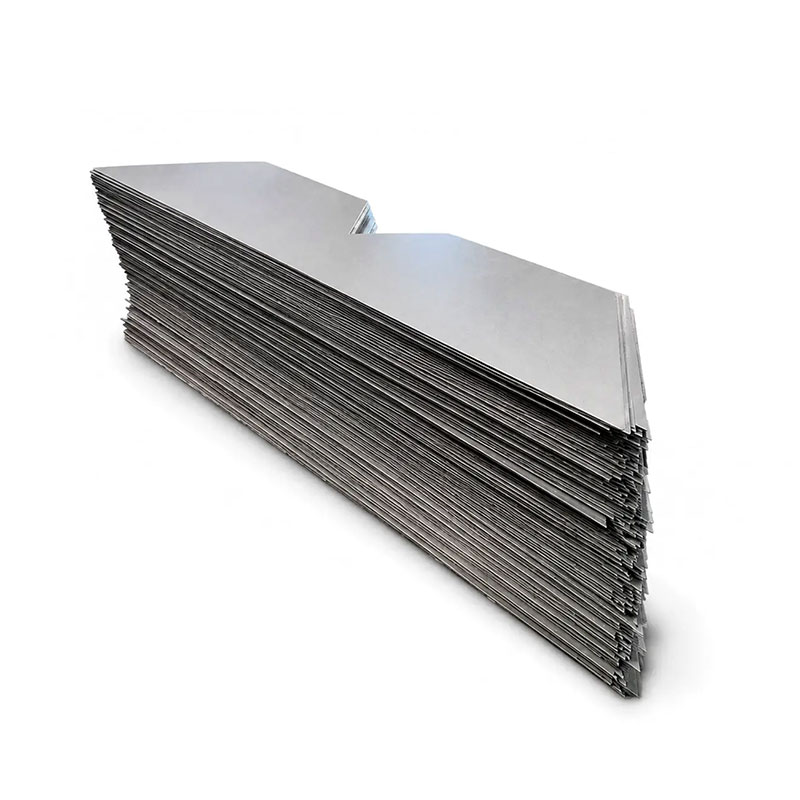
A Hi-B laminated core directs alternating magnetic flux through stacked grain-oriented steel. The finished magnetic circuit depends on the steel grade, joint geometry and assembly stress together. This article concentrates on Hi-B core stack height, with practical checks for engineering, purchasing and incoming inspection.
Hi-B Core Stack Height: The Decision to Resolve
Start the Hi-B core stack height review with the limiting interface: net limb section. Mark its reference surfaces on the controlled drawing, then identify where stack height and lamination width are measured. The receiving plant should be able to reproduce the check without interpreting an unscaled photograph. If the measuring point becomes inaccessible after assembly, arrange a recorded check before that stage closes.
For Hi-B core stack height, magnetic polarization and total specific loss describe different properties. A high-permeability designation does not define an assembled-core loss guarantee; the excitation point, frequency, specimen method and finished assembly must also be stated.
When evaluating Hi-B core stack height, remember that the clamping arrangement provides stability but also introduces mechanical stress. The designer should define the restraint arrangement; additional tightening is not an appropriate universal remedy for sound or loss concerns.
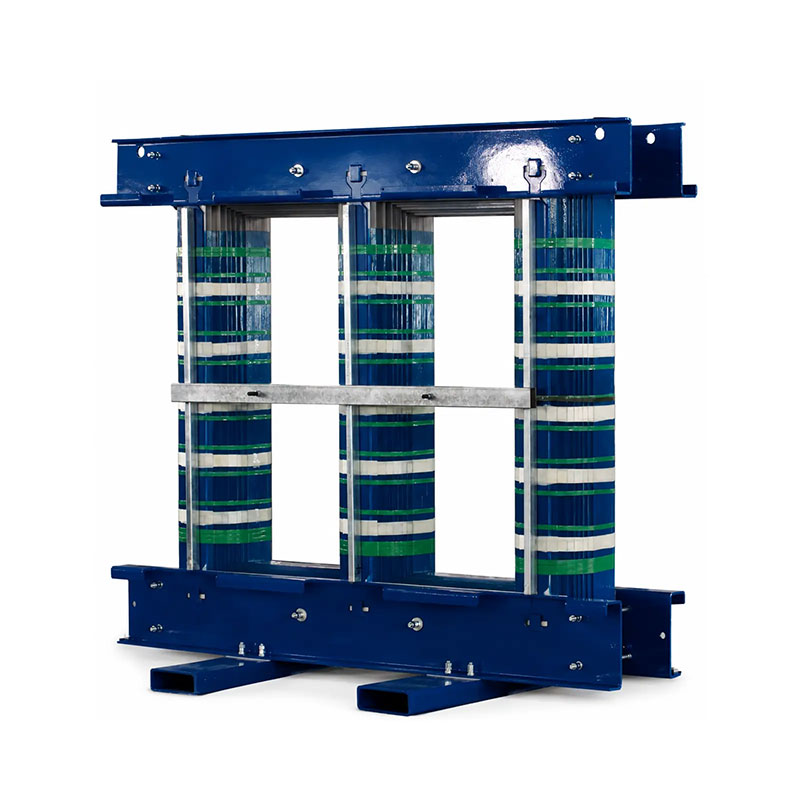
Net Limb Section and the Adjacent Interface
The Hi-B core stack height requirement sits between net limb section and window opening. Put both sides of that relationship in the review package. The supplier needs the current mating-part information, while the buyer needs the actual delivered condition. A requirement that is measured before miter cutting in the rolling direction may not describe the state that reaches final assembly. Confirm the point at which the interface is accepted and who owns any operation after it.
In a Hi-B core stack height review, substituting a thinner grade changes the lamination count, packet handling and potentially the effective section. A material substitution should therefore be checked against both the cut program and the finished stack.
For Hi-B core stack height, distinguish the physical feature from the property being evaluated. Stack height is one part of the evidence; it should be read with joint overlap and the approved product configuration. If a receiving check cannot reproduce the supplier’s measurement condition, resolve the method before shipment. That is preferable to discovering at receipt that both parties have valid measurements of different states.
Material and Functional Evidence
Tolerance chains deserve more attention than isolated nominal values. The relationship between net limb section and window opening includes the variation of both mating parts, any insulation or gasket, and the assembly method. For Hi-B core stack height, review the least favorable approved combination rather than assuming all parts arrive at nominal size. A trial fit should use representative production parts and preserve the identities of both sides of the interface.
One constraint on Hi-B core stack height is that rolling direction matters because grain-oriented steel is anisotropic. A cut list should preserve the intended magnetic path around the mitered joints rather than simply maximize sheet yield.
For Hi-B core stack height, coil access depends on the usable window and the assembly sequence. Review temporary lifting clearances and winding insertion before approving an external envelope alone.
The recurring risk in this part of the Hi-B core stack height review is interlaminar shorts at cut edges. Ask which design input or manufacturing step controls it and which result would show that control has been effective. Keep the answer specific to Hi-B laminated core. A generic statement about quality management does not identify the material condition, fixture or production-stage evidence needed for this particular interface.
Comparing the Available Supply Approaches
Treat a sample that fits as evidence about that sample. It does not prove that every allowed tolerance combination will fit. In a Hi-B core stack height trial, record the actual measured values, orientation and fixture, then compare them with the proposed acceptance range. If the supplier solves a mismatch by force or unrecorded rework, pause the approval until the cause and the revised dimensional basis are understood.
| Approach | What must be confirmed | What it does not establish |
|---|---|---|
| Higher-Permeability Grade With Unchanged Geometry | Approved interfaces, delivered state and required evidence | Automatic equivalence to another configuration |
| Revised Section With The Same Steel Grade | Any changed design or qualification work | An improvement in every operating condition |
| Supply As A Stacked Core | Tasks retained by the buyer and final inspection scope | A complete installed-performance guarantee |
| Supply As An Assembled And Restrained Core | Packing, assembly and acceptance responsibilities | The same total cost as a different supply boundary |
Use the table to align the supply boundary for Hi-B core stack height, then ask suppliers to state deviations explicitly. The alternatives shown are review routes, not a claim that every route is available for every Prennox product. Confirm the actual offered configuration and the customer’s assembly capability before assigning a preference. If an alternative changes yoke joint, carry that difference into the drawing and acceptance schedule.
Inspection in the Delivered Condition
When evaluating Hi-B core stack height, remember that the geometric section is not the net iron section. Lamination coating and small voids reduce the effective section; use the agreed stacking factor in design calculations instead of treating a height measurement as a complete magnetic specification.
In a Hi-B core stack height review, an excitation-current result is meaningful with its voltage, frequency and connection. Compare data at the specified test condition, particularly when quotations refer to different national grade names.
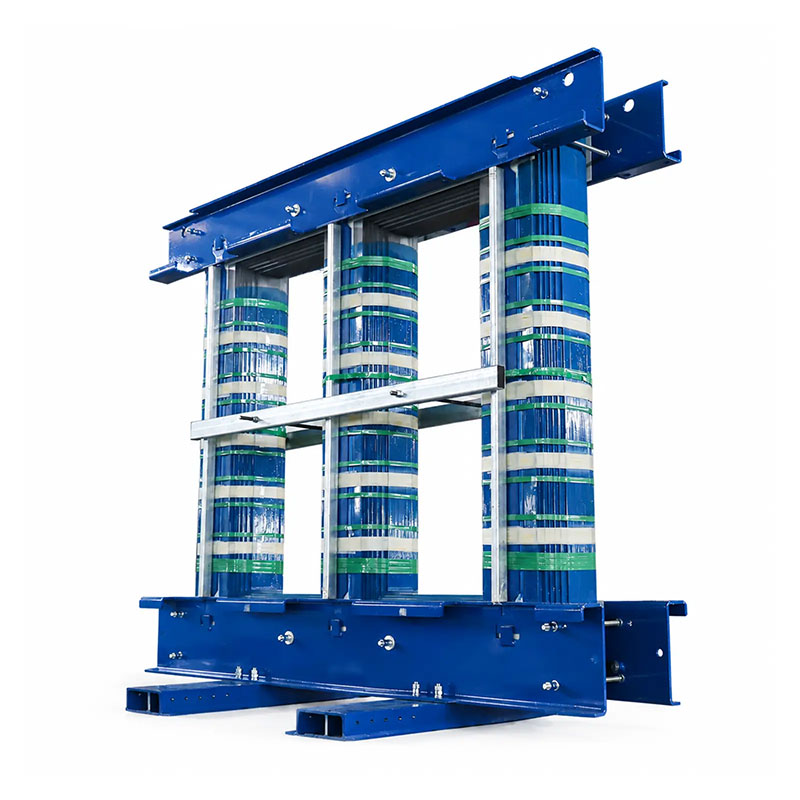
For Hi-B core stack height, build the receiving record around item identity, requirement, method, condition, result and disposition. Add lamination width where it addresses the identified risk. Preserve the as-received state when distorted joints under uneven restraint is suspected, especially if further cutting, winding or assembly would conceal the evidence. A photograph can support the record, but it should not replace the agreed functional inspection.
A Worked Example and Its Limits
Illustrative section calculation: take a geometric limb section of 82 mm × 103 mm, or 8,446 mm². With an assumed stacking factor of 0.95, the screening net iron area is 8,023.7 mm². These are invented teaching inputs, not Prennox dimensions or a design approval. For Hi-B core stack height, the calculation shows why an outer measurement and an effective magnetic section answer different questions. The actual designer must use the approved steel, stacking basis, turns, voltage and frequency before drawing a flux-density conclusion.
The calculation supports one limited part of Hi-B core stack height. It does not close the review of window opening, yoke joint or the final transformer duty. Replace every teaching input with the approved project value before using the result in a purchasing decision. Where the underlying relationship is only a screening approximation, record that scope so a preliminary estimate is not later reused as a production acceptance limit.
A change to stack height can propagate into window opening, yoke joint and the inspection fixture. Review the affected assembly before approving a revised drawing. Keep the original requirement, proposed value and technical disposition visible so the next batch is built to the agreed configuration. For Hi-B core stack height, a handwritten workshop correction is useful investigation evidence but should not become the only manufacturing instruction.
Changes, Exceptions and Release Decisions
One constraint on Hi-B core stack height is that replacement cores must reproduce the approved magnetic and mechanical interfaces. Matching overall height and width does not establish that winding clearances, flux density or loss targets are preserved.
The useful outcome is a drawing that both supplier and buyer can inspect in the same way. Define the measurement state, accessible datums, limits and records for Hi-B core stack height; then close any mating-part assumptions before quantity production. That reduces argument at receipt and gives engineering a clear basis for deciding whether a measured deviation affects fit or requires further evaluation.
If Hi-B core stack height remains unresolved, define the next evidence needed instead of broadening the acceptance wording. That may be a revised interface drawing, a representative process trial, a grade-specific statement or a result at the agreed test condition. Identify the affected batch and prevent an unresolved assumption from being copied into a repeat order. Once the evidence is available, record the technical disposition and the effective revision for production and receipt.
Preparing a Technical Inquiry
A useful Hi-B core stack height inquiry includes the exact product, quantity, approved drawing or grade, intended use and final supply state. Add requirements for stack height, lamination width and the evidence that addresses coil interference at the window. Define packing and destination information, and identify which assembly or processing stages remain with your plant. If an input is unknown, flag it as a question rather than presenting an invented value as an approved specification.
For the product’s stated supply scope, review Hi-B CRGO Laminated Core for Oil-Immersed Transformers. The related Transformer Core Drawing Requirements Before Ordering provides broader context. The IEC magnetic-material specifications is an independent reference for the relevant technical subject. Its public overview does not certify this product or provide all project acceptance limits; identify the applicable specification and edition in the order.
Send Prennox your drawing, application conditions and Hi-B core stack height questions through the technical inquiry page or the form below. Request confirmation of the offered configuration, required evidence and any proposed deviations before placing the order. This gives both teams a clear basis for a comparable quotation and an inspectable delivery.
Frequently Asked Questions
What information starts a Hi-B core stack height review?
Start with the approved Hi-B laminated core configuration, the relevant drawing revision and the condition being evaluated. Identify net limb section and stack height explicitly. Add the actual manufacturing or installation conditions so the supplier can distinguish confirmed requirements from assumptions.
Can Hi-B core stack height be approved from a photograph?
A photograph can show shape, orientation or visible damage. It cannot establish the complete magnetic, dielectric, thermal or mechanical performance of Hi-B laminated core. Use the agreed dimensional record, material identity and functional evidence for the requirement being accepted.
Which record is most useful for Hi-B core stack height?
The useful record connects the delivered item to the specific requirement. Include its batch or serial identity, drawing or grade revision, test or measurement condition and result. For this product, keep evidence concerning stack height visible alongside any source-material certificate.
When does a Hi-B laminated core change need a new trial?
Review a change when it affects net limb section, the supplied material, the processing route or the previous acceptance basis. The extent of requalification depends on the affected function. A matching product name or nominal dimension does not by itself close that review.
What should a quotation for Hi-B core stack height include?
Ask for the exact configuration, quantity, supply boundary, approved dimensions or performance, required documents, packing and delivery destination. State any unresolved value as a technical query. Prennox can review the listed product and project requirements before confirming the actual offered scope.