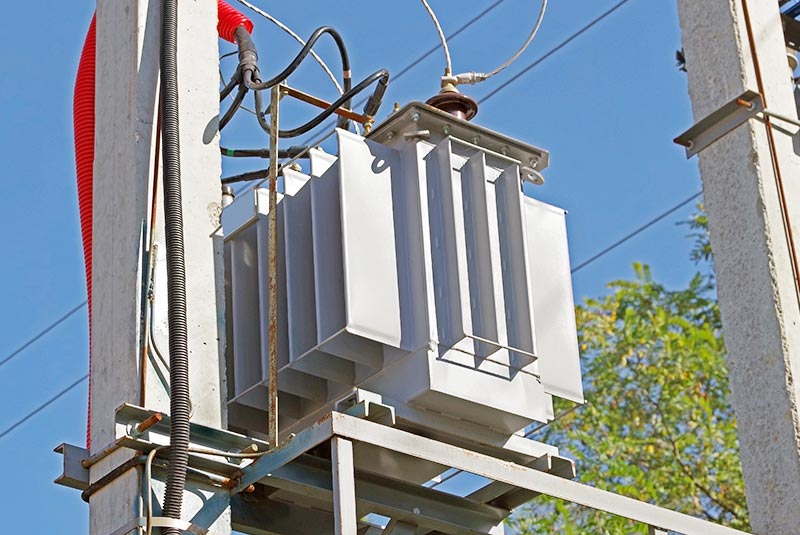
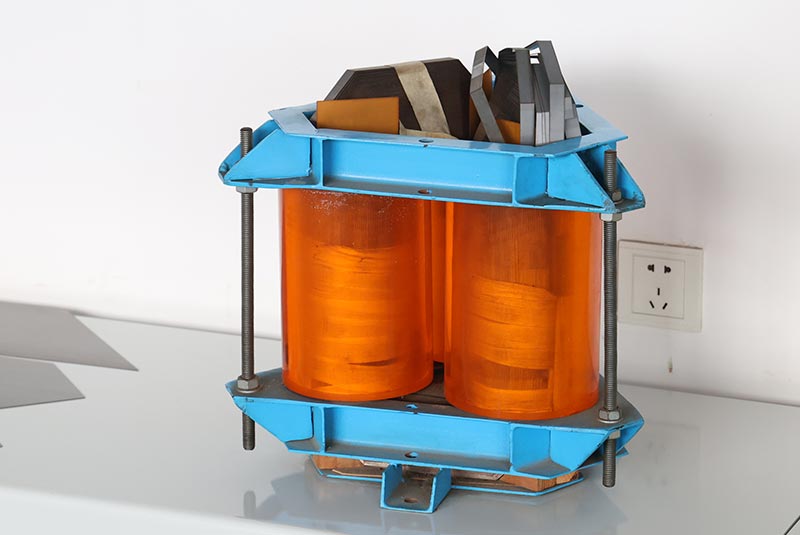
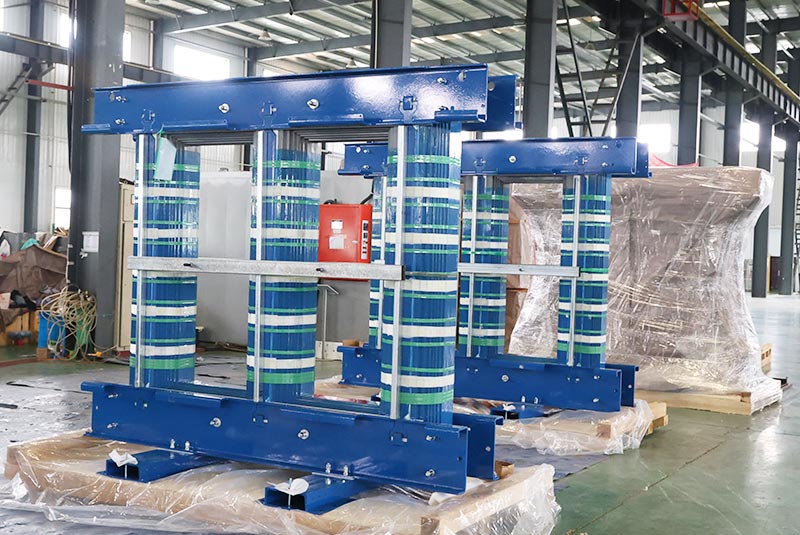
Choosing a transformer components supplier should begin with technical capability, not only price. Transformer parts influence efficiency, temperature rise, insulation performance, mechanical strength, and long-term reliability....
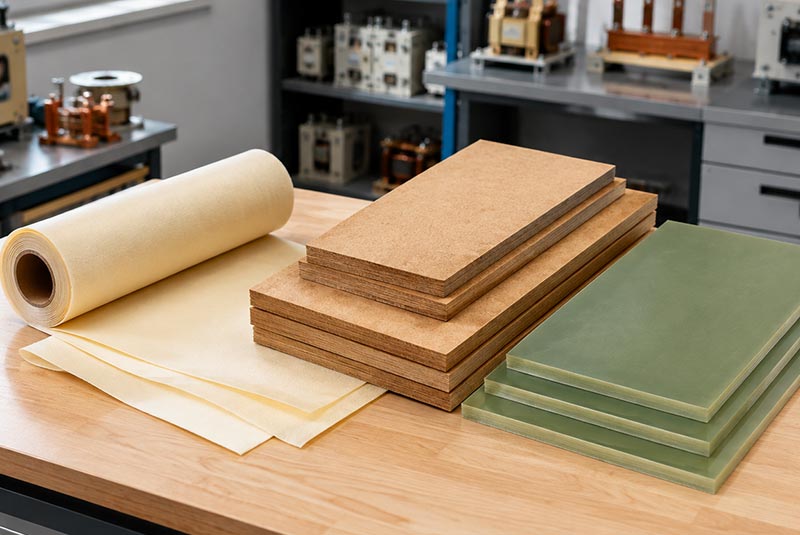
Transformer insulation materials separate conductive parts, control electric stress, and protect the active part from thermal and mechanical damage. They are essential to transformer reliability because insulation aging is one of the main factors that...
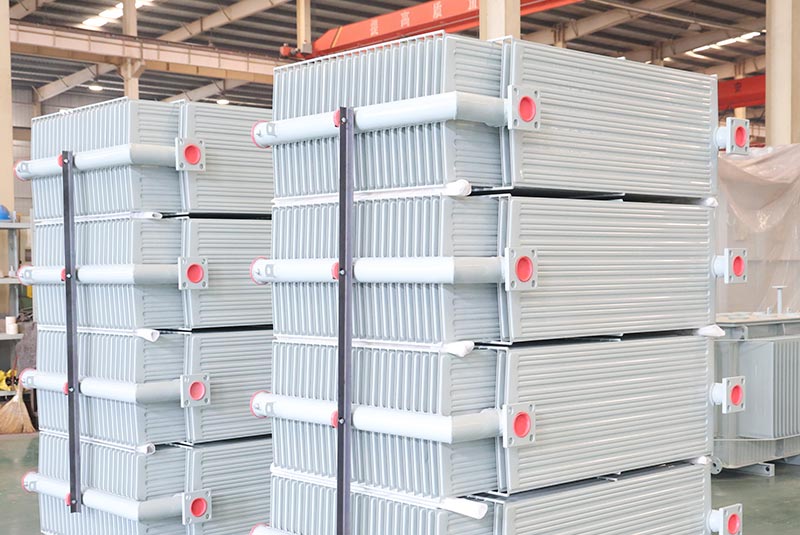
Transformer radiators are cooling components used on many oil-immersed transformers. During operation, copper loss in the windings and core loss in the magnetic circuit produce heat. If this heat is not removed effectively, insulation aging...
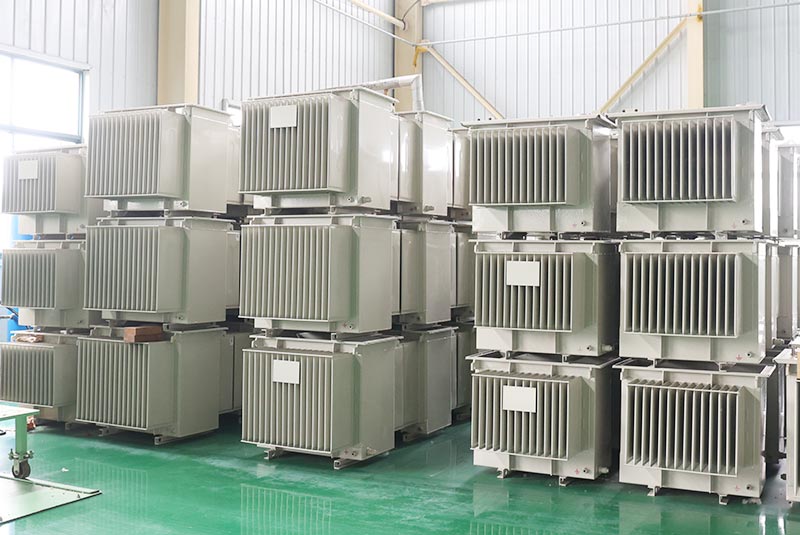
A corrugated transformer tank is both a protective enclosure and a cooling surface for oil-immersed transformers. It holds transformer oil, protects the active part, and helps release heat generated during operation....
A wound transformer core is produced by winding a continuous strip of electrical steel into a closed magnetic loop. Instead of stacking individual laminations one by one, the core is formed from a steel coil...
A laminated transformer core is the magnetic path inside a transformer, built from many thin sheets of electrical steel rather than one solid metal block. These sheets are stacked, clamped, and arranged to guide magnetic...