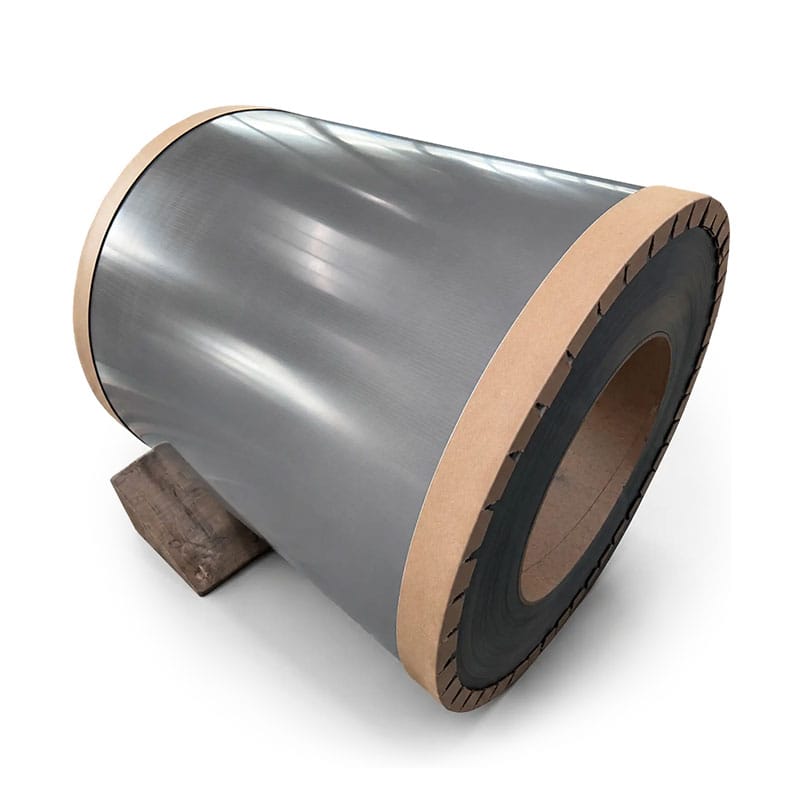
Laser scribed electrical steel is used in transformer-core designs where lower material core loss is important, but the benefit depends on more than the presence of laser marks on the sheet surface. The steel grade,...

A transformer core drawing is one of the most important documents in a core RFQ because it converts the electromagnetic design into manufacturable dimensions, lamination geometry, joint details, material requirements, and supply boundaries. If the...
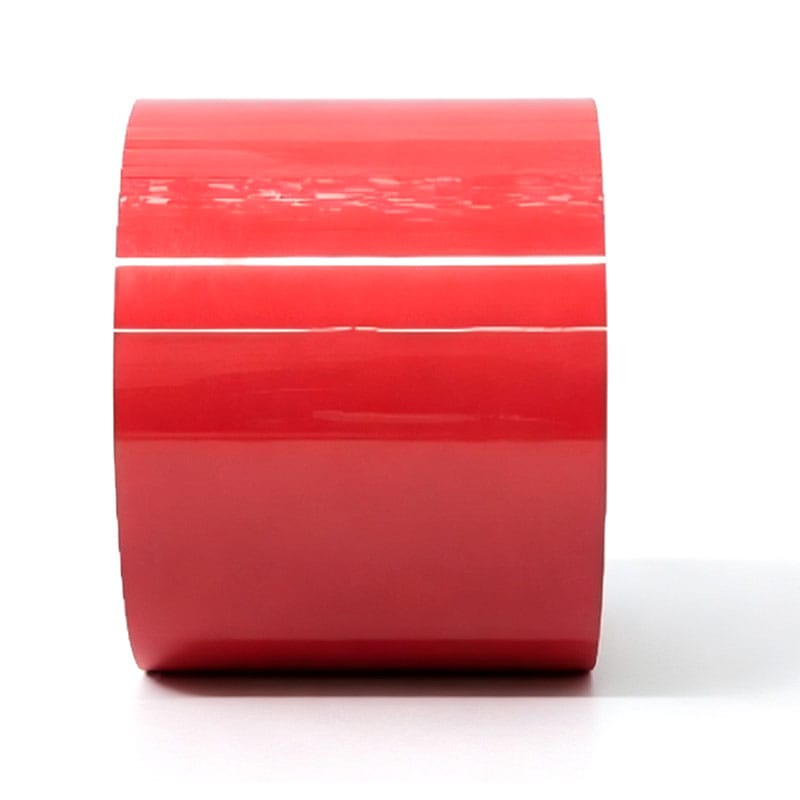
DMD vs DMD prepreg is an important material-selection question in dry-type transformer manufacturing because the two materials may look similar before use but behave very differently during coil production. Standard DMD is a flexible three-layer...
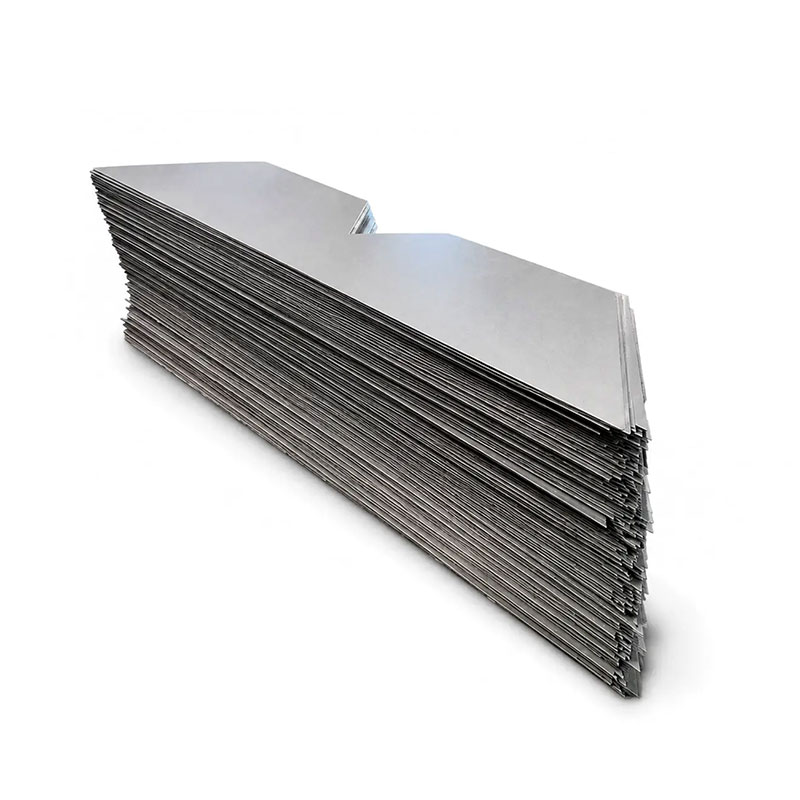
Choosing a laminated vs wound transformer core is not simply a choice between an “older” and a “more efficient” construction. Both structures can be engineered for reliable transformer service, and the better fit depends on...
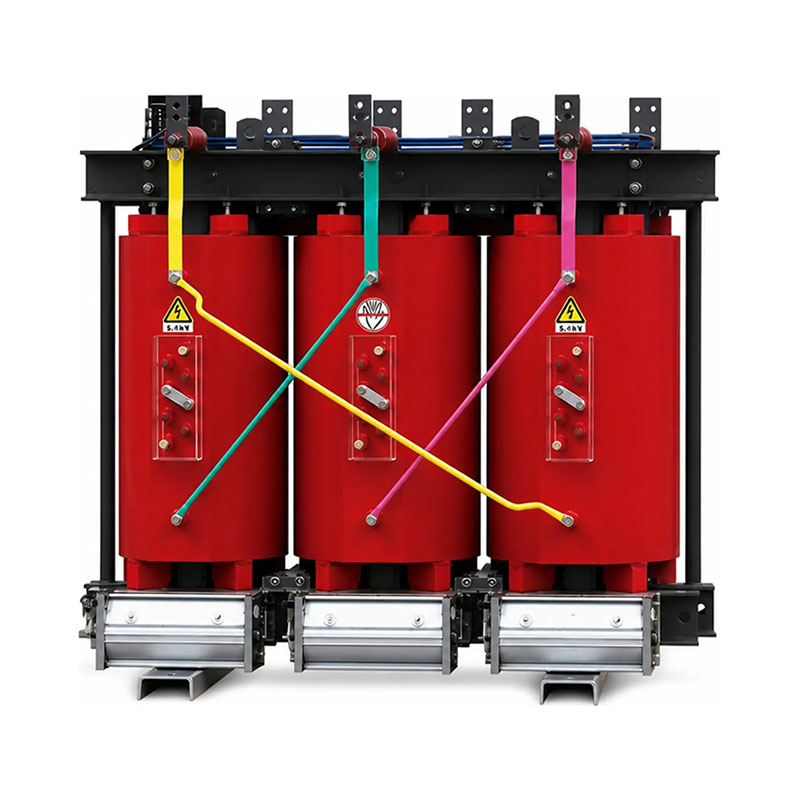
Dry type transformer specifications should do more than list rated power, primary voltage, and secondary voltage. For a project buyer, engineering contractor, distributor, or plant electrical team, the specification is the document that aligns transformer...
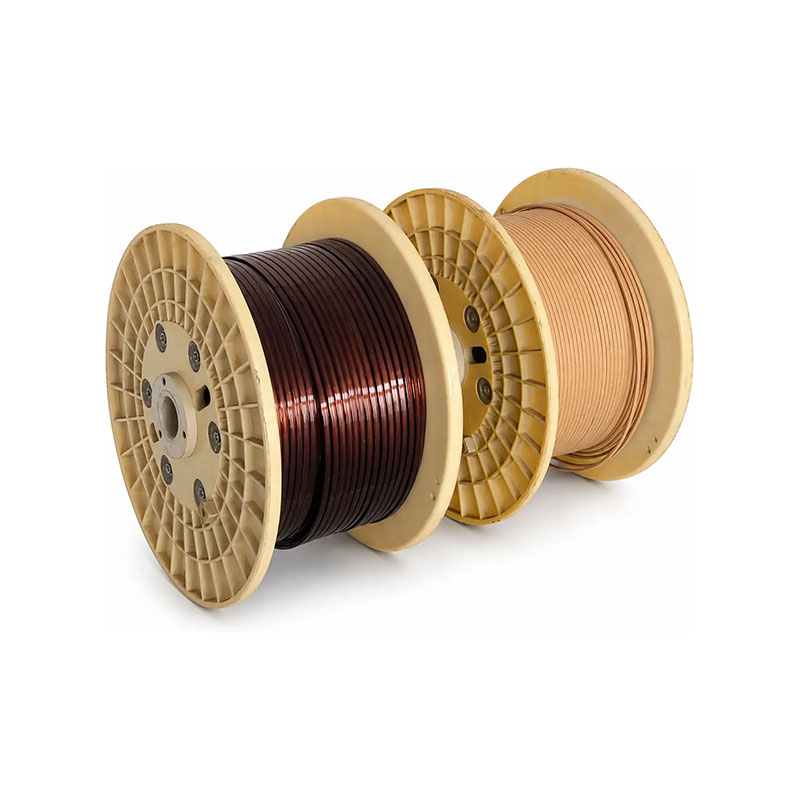
Copper winding wire resistance is one of the most important electrical checks in transformer coil production, but it is also one of the easiest values to misread during purchasing. A resistance result only becomes useful...
