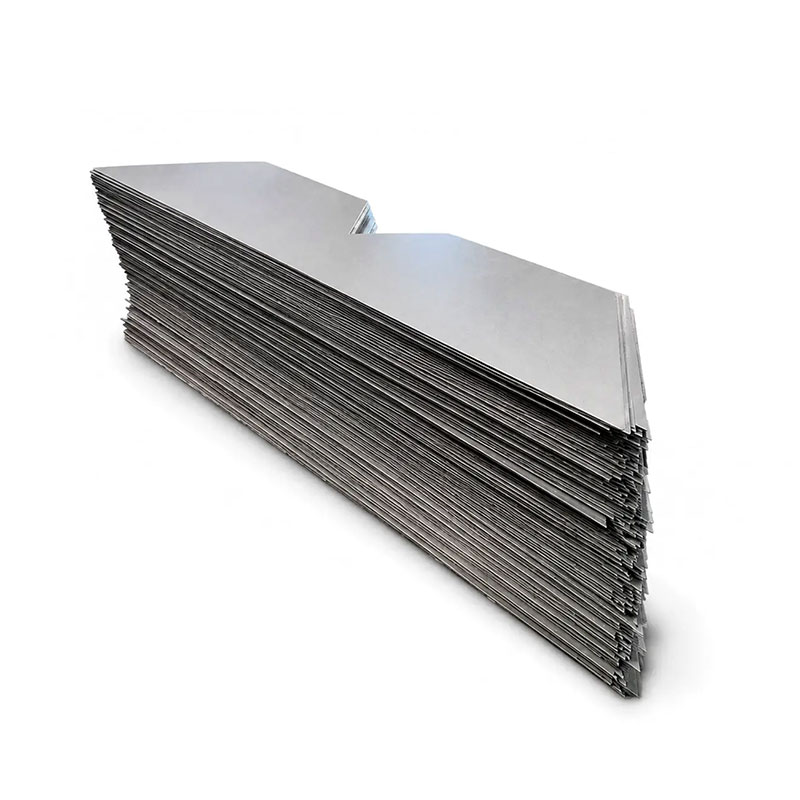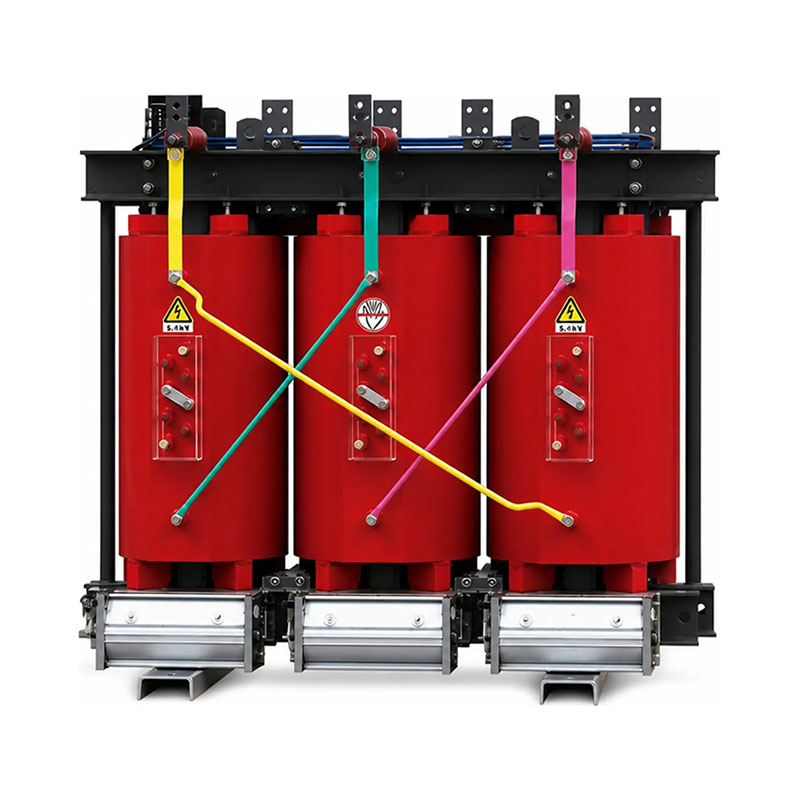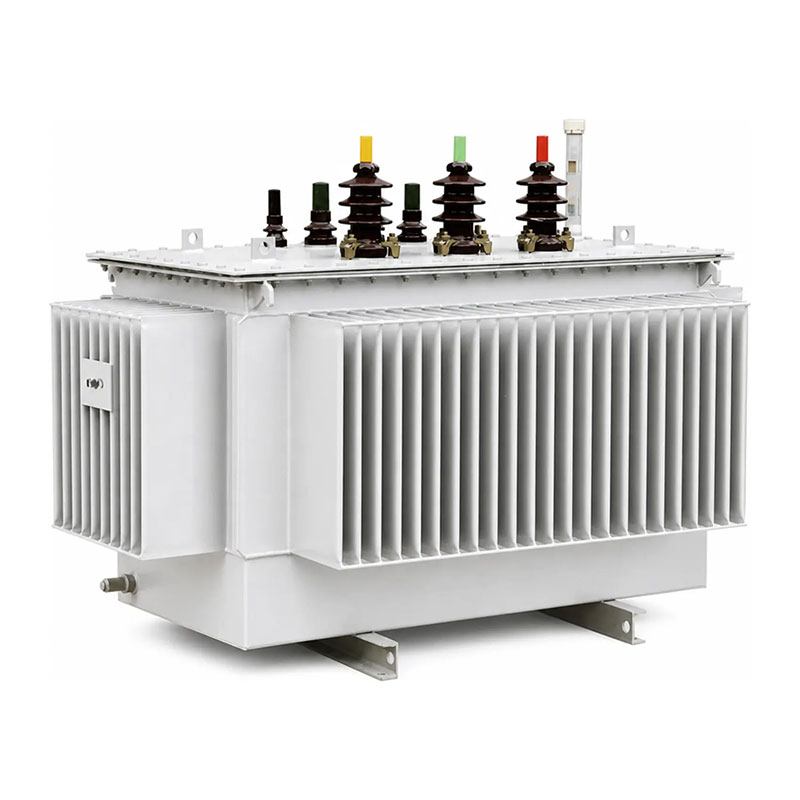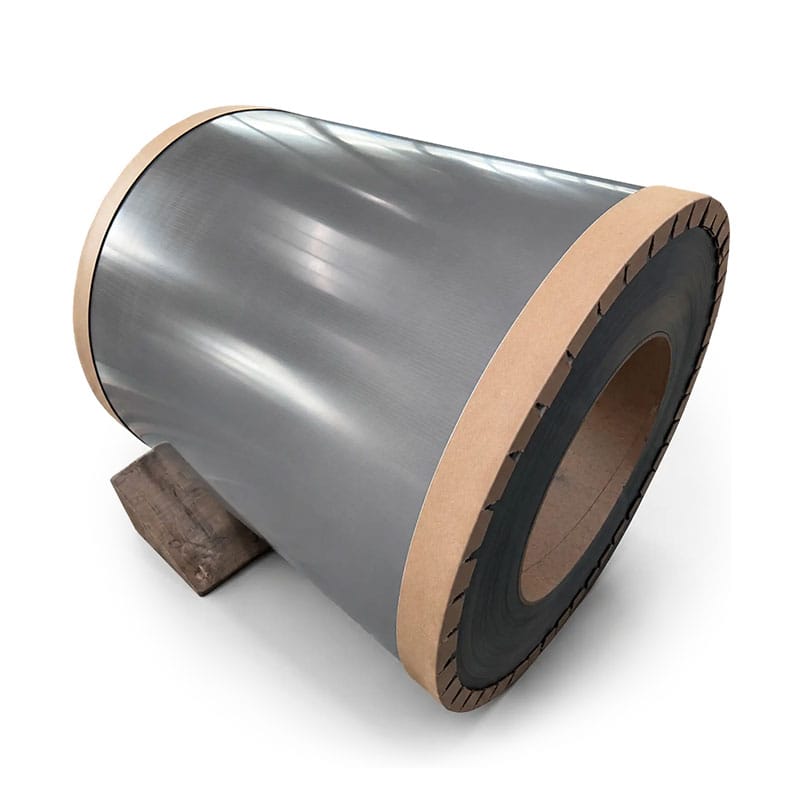
Laser scribed electrical steel is used in transformer-core designs where lower material core loss is important, but the benefit depends on more than the presence of laser marks on the sheet surface. The steel grade, magnetic test conditions, cutting route, strip width, domain-refinement method, mechanical stress, and any downstream heat treatment all affect whether the material performs as intended in the finished core.
For transformer manufacturers and material buyers, the most important risk is assuming that laser domain refinement remains effective through every downstream process. In reality, conventional laser-refined grain-oriented steel can lose some or all of the domain-refinement benefit if it later undergoes stress-relief annealing. This means the transformer core manufacturing route must be reviewed before the material is ordered, not after the coils arrive.
This guide explains how to specify and process laser scribed electrical steel for laminated transformer cores. It covers domain refinement, grade selection, magnetic reports, cutting and slitting, heat-treatment limits, handling, inspection, stacking, RFQ inputs, and the key questions buyers should resolve before approving material for production.
What Is Laser Scribed Electrical Steel?
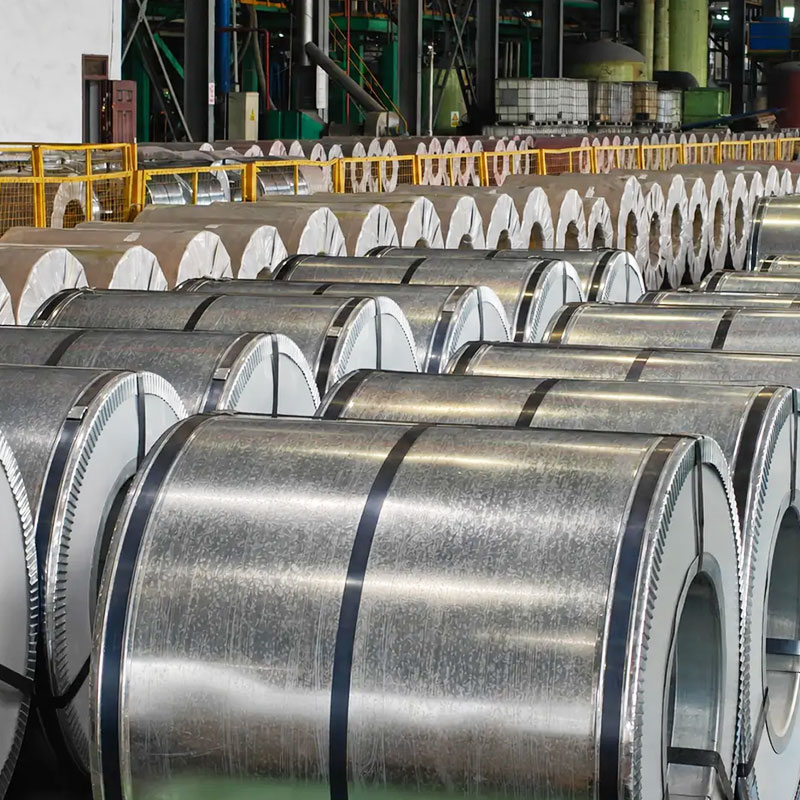
Grain-oriented electrical steel is manufactured so its magnetic properties are optimized mainly along the rolling direction. In high-permeability GOES, crystal orientation and metallurgical processing already support low loss and high permeability along that direction. Laser scribing adds another refinement step by applying controlled laser lines to the surface of the finished strip.
The purpose of this treatment is to subdivide magnetic domains. Smaller magnetic domains can reduce the energy associated with domain-wall movement during alternating magnetization, which can reduce material core loss under the specified test conditions.
Prennox’s current Laser-Scribed Grain-Oriented Electrical Steel Coil page identifies the product as high-permeability GOES with laser domain refinement, intended for low-loss laminated transformer core designs. The page currently lists nominal thicknesses of 0.23 and 0.27 mm and states that grade and magnetic properties are supplied according to the confirmed material specification and inspection certificate.
That definition is important because laser scribed electrical steel is not a separate core construction. It is a material condition used within a transformer-core design, normally in laminated cores where the downstream process preserves the intended magnetic properties.
How Laser Domain Refinement Reduces Material Core Loss
When grain-oriented electrical steel is magnetized by alternating current, the magnetic domain structure changes repeatedly. Domain-wall motion contributes to energy loss. Laser scribing introduces localized treatment lines across the strip that alter the domain structure and can subdivide large magnetic domains into smaller ones.
The resulting reduction in domain width can lower part of the material loss under appropriate conditions. This is why laser scribed electrical steel is often considered for transformer designs with strict no-load-loss targets.
However, the improvement should be evaluated using the actual supplier grade and test certificate. The effect is not a universal fixed percentage that can be applied to every transformer. Material thickness, grade, magnetic polarization, frequency, laser-treatment pattern, coating condition, and production route all influence the measured result.
IEC 60404-8-7 Separates Domain-Refined High-Permeability Grades
IEC 60404-8-7:2020 covers fully processed cold-rolled grain-oriented electrical steel strip and sheet for magnetic circuits. The standard groups material into conventional grades, high-permeability grades, and magnetic-domain-refined high-permeability grades. It also defines general requirements, magnetic properties, geometrical characteristics, tolerances, technological characteristics, and inspection procedures.
This classification matters when buying laser scribed electrical steel because the grade designation and magnetic report should show the actual performance class of the material. A buyer should not assume that any high-permeability grade automatically has laser domain refinement, or that every domain-refined grade has the same heat-treatment behavior.
The standard also distinguishes domain-refined material because its magnetic measurement route can differ from conventional material. Buyers comparing reports from different suppliers should therefore confirm the test method and conversion basis instead of comparing one W/kg value without context.
The Biggest Processing Risk Is Stress-Relief Annealing
The most important processing limitation for conventional laser scribed electrical steel is subsequent stress-relief annealing. Prennox explicitly states that stress-relief annealing after laser treatment is not suitable unless the selected material grade is specifically confirmed for that process.
This warning is consistent with published technical guidance from major electrical-steel producers: conventional laser domain refinement can be lost or substantially reduced when the material is annealed after laser treatment. In other words, the laser-scribed state is not automatically heatproof.
This matters because many transformer-core factories use heat treatment to reduce cutting or forming stress. If the core process includes a mandatory annealing step, the purchasing team must confirm whether the specific laser scribed electrical steel grade retains its domain-refinement benefit after that treatment. If not, a different material route may be needed.
Do Not Approve the Material Before Confirming the Full Core Process
A material approval that only checks thickness and loss value is incomplete. The core team should first map the downstream process: slitting, shearing, miter cutting, punching, stacking, clamping, possible annealing, coating touch-up, and final assembly.
If any stage includes high-temperature stress relief, the selected laser scribed electrical steel must be explicitly approved for that treatment. Otherwise, the transformer may be designed around a material property that is no longer present after manufacturing.
Not All Domain-Refined Electrical Steel Has the Same Heat-Treatment Behavior
One reason buyers need to review the exact grade is that domain refinement can be achieved through different technologies. Some materials use laser treatment that is not heat-resistant, while other domain-refined products are designed to withstand later annealing within defined limits.
Therefore, the correct purchasing question is not simply, “Is this laser scribed?” It is, “What exact domain-refinement method and downstream heat-treatment limits apply to this grade?”
For laser scribed electrical steel, the supplier should provide the grade designation, magnetic data, nominal thickness, coating condition, delivery state, and any processing restrictions. If post-cut annealing is planned, that requirement should appear in the RFQ so the supplier can confirm compatibility before quotation.
| Processing question | Why it matters | What the buyer should confirm |
|---|---|---|
| Will the material be stress-relief annealed after cutting? | Conventional laser domain refinement can be reduced or lost. | Grade-specific heat-treatment compatibility. |
| Will the parent coil be slit? | Slitting affects edge condition, strip width and downstream core processing. | Width tolerance, burr control and compatibility with the selected grade. |
| Will laminations be miter-cut or punched? | Cutting introduces mechanical stress and edge effects. | Approved cutting route and inspection limits. |
| Will the core be reworked after stacking? | Mechanical pressure or local deformation may affect magnetic behavior. | Handling and clamping limits from the transformer design. |
| Is a coating repair or additional coating planned? | Surface treatment can change insulation and processing behavior. | Approved coating system and compatibility. |
Cutting and Slitting Should Be Evaluated Before Ordering
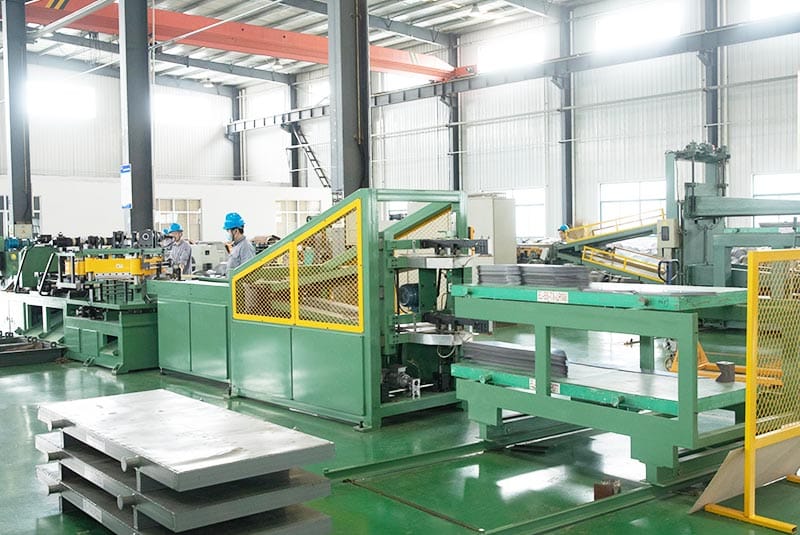
Laser-scribed material is still electrical steel and must be converted into the widths and lamination shapes required by the transformer core. That means slitting, shearing, and miter cutting remain important manufacturing steps.
Prennox’s CRGO Electrical Steel Slit Coils & Strips page states that slit width, tolerance, edge requirements, coil configuration, and downstream core-processing method should be reviewed together. The same principle applies when the parent material is laser scribed electrical steel.
Slitting and cutting can introduce residual stress near the edges. Excessive burrs can interfere with stacking and interlaminar insulation. Poor width control can affect packet dimensions and core geometry. These issues should be controlled through agreed tolerances and incoming inspection rather than treated as secondary details.
Laser Scribing Does Not Eliminate the Need for CRGO Grade Control
Laser domain refinement is applied to a base grain-oriented steel grade. The base material still determines much of the magnetic behavior, including permeability, saturation behavior, thickness, coating, and baseline specific loss.
For this reason, laser scribed electrical steel should not be purchased only by the phrase “laser scribed CRGO.” The RFQ should identify the required grade or the approved magnetic-property window, including test conditions.
The previous CRGO Steel Grades and Test Reports for Transformer Buyers article explains why old market-grade labels, current standard designations, and supplier-specific grades should not be treated as automatically equivalent without reviewing the underlying test data.
Magnetic Reports Must Include the Test Conditions
A material report that shows only one core-loss number is difficult to evaluate. The result should be linked to the magnetic polarization or flux density, frequency, test method, specimen condition, and applicable standard.
IEC 60404-8-7:2020 recognizes domain-refined high-permeability grades and uses the single-sheet tester as the reference method for that material class, together with a defined conversion approach for equivalent Epstein values. This is an important detail when reviewing laser scribed electrical steel certificates.
The buyer should therefore confirm whether the report value comes from a single-sheet tester, Epstein frame, or another approved method and whether the value is directly comparable with the transformer design basis.
Do not compare two suppliers only by selecting the lower W/kg number if the test conditions are not the same.
Material Loss Is Not the Same as Finished Transformer Core Loss
A common sourcing error is to multiply the certified specific loss of laser scribed electrical steel by the core weight and treat the result as guaranteed transformer no-load loss.
That calculation ignores processing factors such as slitting stress, miter cutting, burrs, lamination joints, step-lap geometry, clamping pressure, stacking accuracy, material handling, and actual operating flux density. The finished transformer also adds excitation conditions, waveform, structural influences, and manufacturing variation.
Material certificates are essential for incoming verification, but finished-core or transformer performance should be validated using the agreed design and test method. The material report is one input to the loss model, not the final transformer guarantee.
Laser Scribed Electrical Steel Is Usually Better Suited to Laminated Core Routes
Prennox identifies the typical application of its current laser scribed electrical steel as low-loss laminated transformer cores. This makes sense because laminated-core production can often use fully processed material without requiring the same forming and stress-relief route associated with some wound-core processes.
That does not mean the material is suitable for every laminated-core process automatically. The buyer still needs to confirm slitting, miter cutting, punching, stacking, clamping, and whether any later heat treatment is used.
If the transformer design uses wound cores that require post-forming annealing, conventional non-heatproof laser-scribed grades may not be the right choice unless the supplier confirms otherwise.
Handling and Surface Protection Matter During Core Production
Electrical-steel performance can be affected by mechanical damage and surface contamination. The insulating coating helps control interlaminar electrical contact and contributes to material handling and corrosion protection.
For laser scribed electrical steel, the core factory should avoid unnecessary scratching, bending, impact, and contamination. Material should be stored dry, protected from condensation, and handled in a way that preserves flatness and surface condition.
During slitting and cutting, edge damage and burr height should be monitored. During stacking, laminations should remain aligned and free from trapped metallic particles. During clamping, excessive pressure or local deformation should be avoided if it conflicts with the validated core design.
Incoming Inspection Should Verify More Than Coil Dimensions
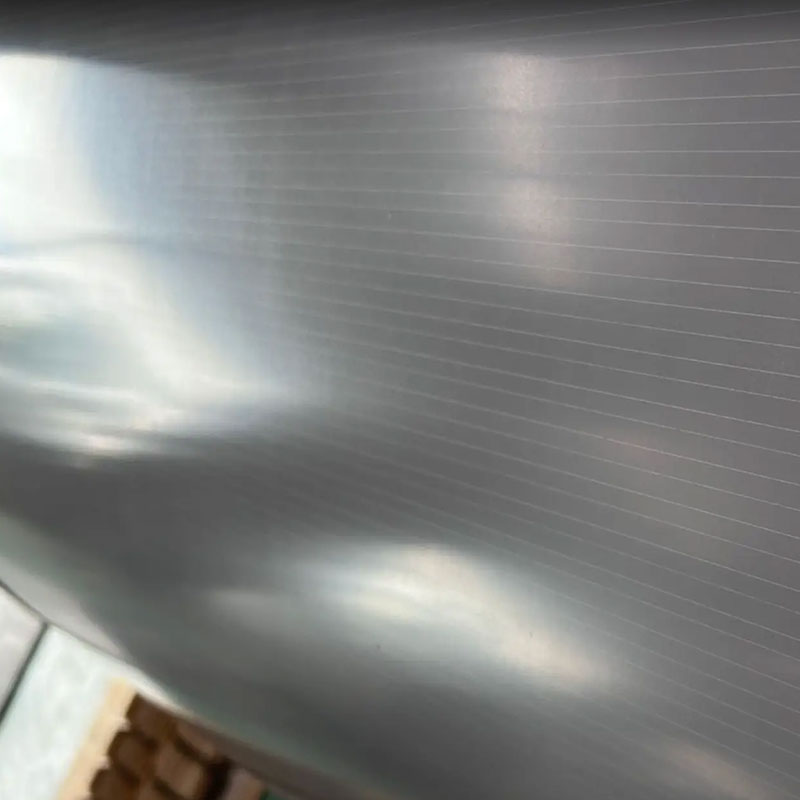
A strong incoming inspection plan for laser scribed electrical steel should confirm both the physical coil and the documentation that supports the magnetic grade.
| Inspection item | What to check | Why it matters |
|---|---|---|
| Grade identification | Supplier grade, standard designation and batch traceability | Confirms the correct material class was delivered. |
| Nominal thickness | Compare with approved specification | Affects magnetic design, core build and material loss. |
| Width and coil dimensions | Check parent or slit width, coil ID and agreed configuration | Controls core-processing compatibility. |
| Magnetic report | Verify loss, polarization/permeability data, frequency and test method | Confirms performance under defined conditions. |
| Domain-refined condition | Verify the grade is supplied in the specified refined state | Prevents substitution with a non-refined grade. |
| Processing restriction | Confirm whether post-cut annealing is prohibited or limited | Protects the domain-refinement benefit. |
| Surface and edges | Inspect coating, rust, dents, edge damage and burr where relevant | Supports stable slitting, cutting and stacking. |
| Certificate traceability | Match heat/coil/batch identification to shipment | Ensures the report belongs to the delivered coil. |
Common Laser Scribed Electrical Steel Processing Mistakes
Sending the Material Through Stress-Relief Annealing Without Grade Confirmation
This is the highest-risk mistake. Conventional laser scribed electrical steel may lose the benefit of laser domain refinement after stress-relief annealing. Always confirm the selected grade before approving a heat-treatment route.
Buying by the Phrase “Laser Scribed CRGO” Only
The phrase does not define grade, thickness, magnetic properties, test method, coil width, coating, or heat-treatment compatibility. The purchase specification needs the full material basis.
Comparing W/kg Values From Different Test Conditions
Specific-loss figures are only comparable when magnetic polarization or flux density, frequency, test method, specimen condition, and reporting basis are aligned.
Assuming Laser Scribing Guarantees the Final Transformer Loss
The final no-load loss depends on core geometry, joint construction, cutting stress, stacking, clamping, flux density, and the complete transformer design. Material loss is only one input.
Ignoring the Downstream Core Process During Material Approval
A material may be technically excellent but incompatible with a factory route that includes annealing, aggressive forming, or an unapproved coating process.
How to Build a Better RFQ for Laser Scribed Electrical Steel
A practical laser scribed electrical steel RFQ should tell the supplier how the material will be used, not only what thickness is required.
Grade or target magnetic properties: state the required supplier grade, IEC class, or approved magnetic-property range.
Thickness: identify the nominal steel thickness required by the core design.
Coil or strip width: provide the full-coil width or final slit width and tolerance.
Downstream cutting: identify whether the material will be slit, shear-cut, miter-cut, punched, or processed into a step-lap lamination set.
Heat treatment: state explicitly whether stress-relief annealing will be used after cutting or forming.
Magnetic documentation: identify the loss and permeability/polarization data, test conditions, inspection certificate, and batch traceability required.
Packaging and logistics: state coil configuration, quantity, destination, moisture protection, edge protection, and any special handling requirement.
What Prennox Needs Before Reviewing a Laser-Scribed Steel Order
Prennox’s current Laser-Scribed Grain-Oriented Electrical Steel Coil page asks buyers to provide the required grade or target magnetic properties, thickness, required coil width, cutting and core-assembly process, whether stress-relief annealing will be used after cutting, quantity, destination, packing requirements, and the required inspection certificate.
If the material needs to be slit before core production, review the CRGO Electrical Steel Slit Coils & Strips page as well, because slit width, width tolerance, edge requirements, and finished coil configuration need separate confirmation.
If your purchasing team is still comparing conventional, high-permeability, and domain-refined grades, use the CRGO Steel Grades and Test Reports guide before final material approval. For project-specific documents, send the core process and target magnetic requirements through the Contact page.
Conclusion
Laser scribed electrical steel can support demanding low-loss transformer-core designs, but only when the material grade and downstream manufacturing route are compatible. Laser domain refinement can reduce material core loss by refining the magnetic domain structure, yet conventional laser-treated grades may lose this benefit if they undergo later stress-relief annealing.
For buyers, the safest approach is to confirm the exact grade, thickness, magnetic test conditions, cutting and slitting route, heat-treatment plan, coating condition, inspection certificate, and batch traceability before ordering. Material certificates should be reviewed as material-level evidence, not as a substitute for finished-core or transformer performance validation.
The key procurement question is therefore not simply whether the steel is laser scribed. It is whether the selected laser scribed electrical steel remains suitable after every process the transformer core will experience.
FAQ
What is laser scribed electrical steel?
It is grain-oriented electrical steel that has undergone laser domain refinement. Controlled laser treatment subdivides magnetic domains and can reduce material core loss under specified test conditions.
Can laser scribed electrical steel be stress-relief annealed?
Not automatically. Conventional laser-scribed grades may lose or substantially reduce the domain-refinement benefit during later stress-relief annealing. The selected grade must be specifically confirmed as compatible with the planned heat treatment.
Is laser scribed electrical steel always lower loss than standard CRGO?
Laser domain refinement can reduce material loss relative to the corresponding untreated base grade, but the actual result depends on grade, thickness, magnetic test conditions, treatment method, and downstream processing. Final transformer loss also depends on core design and manufacturing.
What should be checked on a laser-scribed steel test certificate?
Check grade, thickness, batch or coil identification, specific loss, magnetic polarization or permeability data, frequency, test method, domain-refined condition, and any processing restrictions relevant to the order.
What information should be included in an RFQ for laser scribed electrical steel?
Provide grade or target magnetic properties, thickness, coil or slit width, downstream cutting and core-assembly route, whether stress-relief annealing will be used, inspection-certificate requirements, quantity, packing requirements, and destination.