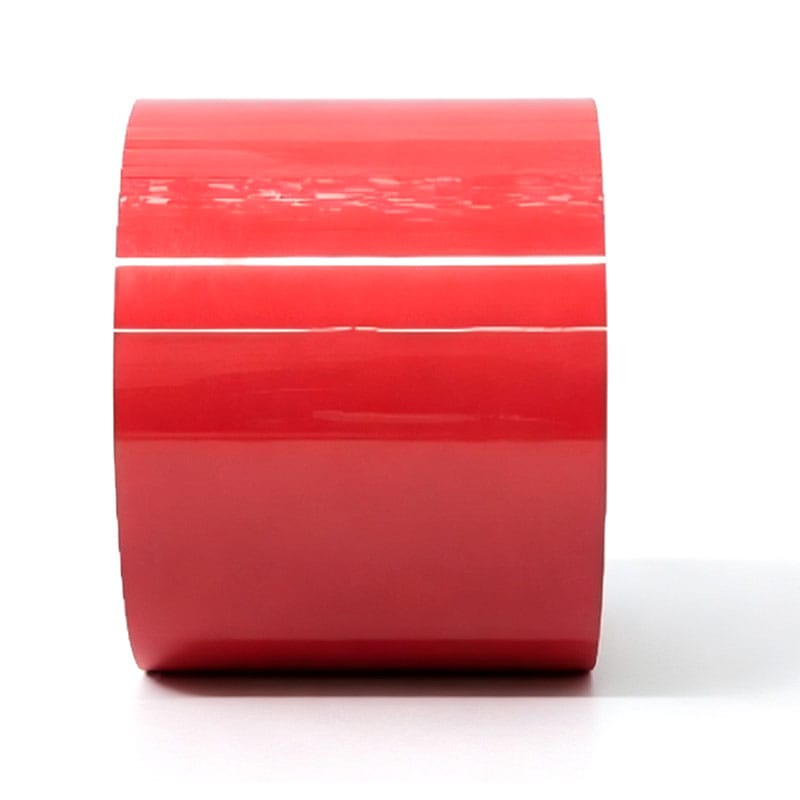
DMD vs DMD prepreg is an important material-selection question in dry-type transformer manufacturing because the two materials may look similar before use but behave very differently during coil production. Standard DMD is a flexible three-layer laminate used primarily as electrical insulation and mechanical protection. DMD prepreg adds a controlled resin system that is designed to soften, flow, and cure under specified processing conditions, allowing the insulation layer to contribute to bonding and structural stability.
For transformer manufacturers, the key decision is not which material is “better” in general. The correct choice depends on the winding design, whether bonding is required, conductor type, cure process, thermal class, storage conditions, shelf-life control, production equipment, and the inspection documents required by the customer.
This guide explains DMD vs DMD prepreg from a procurement and manufacturing perspective. It covers material structure, electrical role, bonding behavior, curing, storage, thickness control, handling, incoming inspection, process validation, and the RFQ data buyers should provide before placing an order.
What Is Standard DMD Insulation?

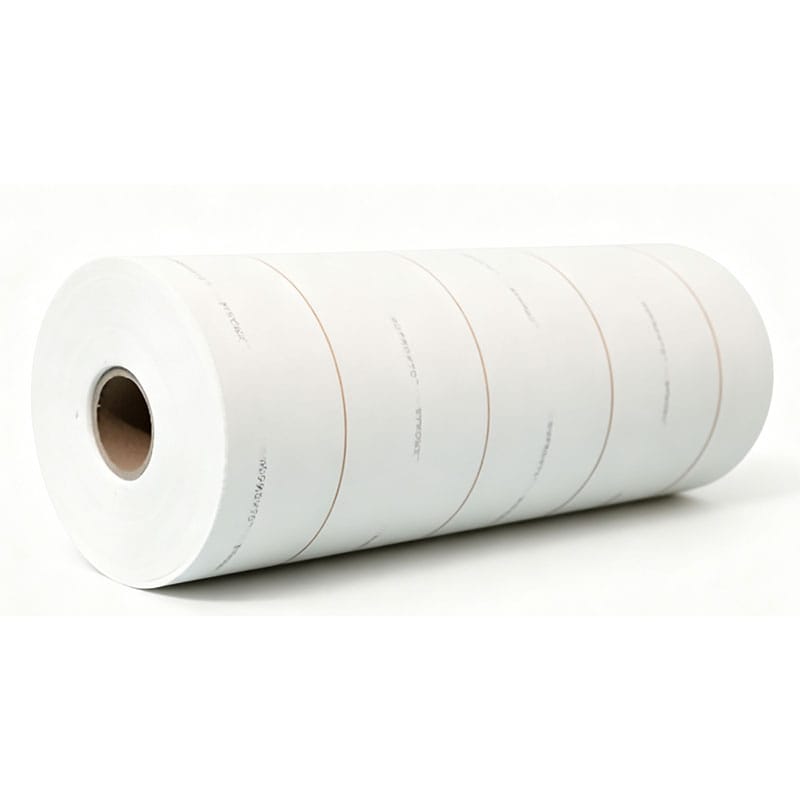
DMD is a flexible laminate commonly made from polyester non-woven fabric, polyester film, and polyester non-woven fabric bonded together with an adhesive system. The polyester film provides the principal dielectric barrier, while the non-woven layers add flexibility, mechanical protection, and compatibility with winding or slot applications.
Prennox’s current F-Class DMD page describes this same three-layer structure and lists the material for layer, phase, and liner insulation in dry-type transformers, motors, and other electrical equipment. The page also states that DMD can be supplied as rolls, sheets, slit tapes, or converted parts, with common nominal thicknesses and final performance requirements confirmed before order.
In a DMD vs DMD prepreg comparison, standard DMD should be understood first as a flexible electrical insulation laminate. It can separate conductive parts, provide a dielectric barrier, and protect adjacent surfaces, but it does not automatically provide the same heat-activated bonding function as a resin-preimpregnated material.
What Is DMD Prepreg?
DMD prepreg uses a DMD-type base laminate that has been impregnated or coated with a heat-reactive resin system and brought to a partially cured, or B-stage, condition. In that state, the material remains sufficiently flexible for handling and winding, but the resin can flow and continue curing when the specified heat and pressure are applied.
This extra resin function changes the manufacturing role significantly. Instead of acting only as a dielectric separator, DMD prepreg can bond adjacent winding layers or conductor surfaces during the curing cycle. That makes it especially relevant in dry-type transformer foil windings or other coil structures where electrical insulation and structural bonding are both needed.
Therefore, DMD vs DMD prepreg is not simply “dry laminate versus thicker laminate.” The difference is functional: standard DMD is primarily a flexible insulation material, while DMD prepreg is a process-sensitive insulation-and-bonding material whose final performance depends on curing and storage control.
DMD vs DMD Prepreg: Core Material Differences
| Selection factor | Standard DMD | DMD prepreg |
|---|---|---|
| Base structure | Polyester non-woven / polyester film / polyester non-woven laminate | DMD-type laminate with a controlled heat-reactive resin system |
| Main role | Electrical insulation, separation, flexibility and mechanical protection | Electrical insulation plus heat-activated bonding after curing |
| Resin state | No separate B-stage bonding resin function is assumed | Partially cured B-stage resin requires final curing |
| Process sensitivity | Primarily dimensional, dielectric and mechanical control | Also depends on cure temperature, time, pressure, resin flow and storage history |
| Storage | Keep clean, dry and protected according to supplier instructions | Requires tighter shelf-life and storage-temperature control because resin reactivity can change |
| Typical transformer use | Layer, phase, liner and barrier insulation | Layer insulation where bonding and structural fixation are required |
This table explains why a DMD vs DMD prepreg RFQ must identify the exact material type. If a buyer only writes “DMD insulation,” the supplier cannot know whether the transformer design needs a dry laminate or a B-stage bonding material.
Bonding Requirement Is the First Selection Question
The most important practical question is whether the winding needs the insulation material to bond the coil structure after curing.
Standard DMD can provide a flexible dielectric barrier between winding layers, phases, or structural parts. It may be used where insulation separation is the main function and where bonding is provided by another process or is not required.
DMD prepreg is selected when the winding design intentionally uses the resin in the insulation material to create adhesion during heating and curing. In foil windings, this can help stabilize the winding pack and reduce relative movement between layers once the resin reaches its final cure state.
For that reason, DMD vs DMD prepreg should be decided by the transformer manufacturing process, not only by dielectric strength. If bonding is part of the coil design, the cure cycle and resin characteristics become just as important as thickness and breakdown voltage.
Curing Changes the Final Performance of DMD Prepreg
Standard DMD is generally inspected as a finished flexible laminate. DMD prepreg, by contrast, is supplied in an intermediate reactive condition and reaches its intended bonded state only after final curing.
During curing, the resin typically softens and flows before crosslinking further. The process window can depend on resin chemistry, material thickness, conductor surface, applied pressure, heating rate, dwell time, and the thermal mass of the coil. If the cure is insufficient, bonding may be weak or incomplete. If the material is exposed to excessive heat or an unsuitable process, resin flow and final mechanical behavior may also fall outside the intended range.
A serious DMD vs DMD prepreg comparison must therefore include the supplier’s approved cure conditions. Buyers should not assume that every prepreg DMD uses the same temperature and curing time. These values must come from the approved material data sheet and the transformer manufacturer’s validated process.
Cure Schedule Should Be Treated as a Controlled Production Parameter
In a DMD vs DMD prepreg process review, the cure schedule should identify the required temperature range, time at temperature, pressure or compaction condition where applicable, and any preheating or post-curing steps. The factory should also understand how the actual coil temperature is verified rather than relying only on oven-air temperature.
This makes DMD vs DMD prepreg partly a process-capability question. A factory that does not have controlled heating, compression, or cure verification may not receive the full benefit of a prepreg material even if the incoming material itself is correct.
Storage and Shelf Life Matter Much More for Prepreg DMD
Standard DMD needs protection from moisture, dust, mechanical damage, heat, and contamination, but its core laminate does not rely on a B-stage resin remaining within a defined reactive window.
DMD prepreg is different. Because the resin is partially cured, storage time and temperature can influence resin flow and final bonding behavior. Extended storage, excessive heat, or improper packaging may advance the resin state before the material reaches production.
That is why DMD vs DMD prepreg purchasing should include shelf-life and storage requirements for prepreg material. The buyer should request manufacture date or batch date, shelf-life statement, storage-temperature requirement, packaging method, and any requalification procedure after extended storage.
A prepreg roll that still looks visually acceptable may not necessarily retain the same flow and bonding behavior if its controlled storage history has been lost.
Thickness Must Be Defined as Base Laminate and Finished Material Where Relevant
Thickness is one of the most common ordering fields in a DMD vs DMD prepreg RFQ, but the meaning can become ambiguous with prepreg.
For standard DMD, the nominal thickness describes the flexible laminate. Prennox currently publishes common DMD thickness options including 0.15, 0.18, 0.20, 0.25, 0.30, 0.35, and 0.38 mm, while emphasizing that final dimensions and performance requirements are confirmed before order.
For DMD prepreg, the finished supplied thickness may include the base DMD plus resin content. Depending on the supplier’s specification method, resin content, volatile content, and post-cure thickness may also need to be controlled.
Therefore, DMD vs DMD prepreg specifications should not use thickness alone. The buyer should define whether the value refers to nominal supplied thickness, base laminate thickness, total prepreg thickness, or final compressed/cured thickness where that is important to the winding design.
Dielectric Strength Is Important but Does Not Decide the Material Alone
DMD is widely used because the polyester film contributes a strong dielectric barrier. Prennox’s current F-Class DMD page publishes breakdown-voltage values that vary with nominal thickness and states a temperature rating of at least 155°C for the listed common specifications.
However, a DMD vs DMD prepreg decision should not be made only by selecting the material with the higher reported breakdown voltage. Dielectric performance depends on thickness, test method, conditioning, electrode arrangement, material state, and the complete insulation structure.
For prepreg material, the buyer should also distinguish between the properties of the supplied uncured or partially cured material and the properties required after curing. If a supplier reports only one breakdown-voltage value, the test condition and material state should be clear.
The final transformer insulation system must be validated as a complete design rather than assumed from one DMD vs DMD prepreg sheet-material data point.
Thermal Class Must Match the Complete Insulation System
DMD materials are commonly associated with Class B or Class F systems depending on construction and adhesive system. Prennox currently states that its F-Class DMD is available in common Class B or Class F grades and publishes a temperature value of at least 155°C for the listed F-Class material.
In a DMD vs DMD prepreg selection, the resin system in the prepreg must also be compatible with the intended thermal class. It is not enough for the base DMD to meet a thermal requirement if the impregnating resin, adhesive interface, or final bonded system does not.
IEC 60085 provides thermal evaluation and designation principles for electrical insulation. For procurement, the practical lesson is that thermal-class claims should be supported by the applicable material specification or insulation-system evidence rather than inferred from one constituent.
Mechanical Behavior Changes After Prepreg Curing
Standard DMD remains a flexible laminate and is valued for its combination of film strength, surface cushioning, and handling flexibility. It can be cut, slit, folded, and converted into insulation parts where the approved design permits.
DMD prepreg begins flexible enough for winding or placement but changes after curing. The resin bonds adjacent surfaces and creates a stiffer composite structure. This can improve coil stability where the design requires it, but it also means the material cannot be evaluated only in its uncured state.
For DMD vs DMD prepreg, the transformer manufacturer should therefore review both processing behavior and post-cure behavior. Questions include whether the material can conform to the required radius, whether it stays flat during winding, how much resin squeeze-out occurs, whether cured edges remain clean, and whether the bonded structure meets the mechanical requirement.
Surface Cleanliness Is More Critical When Bonding Is Required
In a DMD vs DMD prepreg manufacturing comparison, bonding performance depends on the interface between prepreg resin and the conductor or adjacent insulation surface. Oil, dust, release agents, oxidation products, moisture, and handling contamination can interfere with resin wetting and adhesion.
Standard DMD also needs clean handling, but contamination has an additional consequence with prepreg because the material is expected to create a bond during cure.
That means DMD vs DMD prepreg work instructions should differ. Prepreg production may require more detailed controls for conductor cleaning, material handling, gloves, storage after unpacking, exposure time before winding, and protection before curing.
Resin Content and Flow Should Be Specified for Prepreg Material
Prepreg DMD contains a resin system whose quantity and flow behavior affect both bonding and processing, which makes DMD vs DMD prepreg control requirements different. Too little effective resin may produce weak bonding or incomplete surface coverage. Excessive resin flow can create squeeze-out, uneven thickness, contamination, or dimensional variation.
The exact acceptance range should come from the approved material specification. Buyers should not invent a universal resin percentage because different suppliers and transformer designs can use different constructions and cure processes.
In a DMD vs DMD prepreg RFQ, standard DMD normally does not require this same B-stage resin-control information. For prepreg, however, resin content, soluble resin or flow characteristic where applicable, volatile content, gel time, or other process-control indicators may be part of the purchase specification.
Incoming Inspection Should Be Different for DMD and DMD Prepreg
| Inspection item | Standard DMD | DMD prepreg |
|---|---|---|
| Thickness | Check nominal thickness and tolerance | Check supplied thickness and any specified resin-related thickness condition |
| Width / roll size | Verify ordered dimensions | Verify ordered dimensions and packaging protection |
| Appearance | Check delamination, wrinkles, contamination and edge damage | Also check resin uniformity, blocking, surface tack and abnormal resin migration where applicable |
| Dielectric property | Review breakdown-voltage requirement and test report | Confirm whether data refers to supplied or cured condition |
| Mechanical property | Review tensile strength and elongation where specified | Review both handling behavior and required post-cure bonding properties |
| Storage data | Normal dry and clean storage requirements | Check manufacture date, shelf life, storage temperature and packaging integrity |
| Process data | Usually no cure schedule required | Cure schedule, resin behavior and bonding test requirements may be essential |
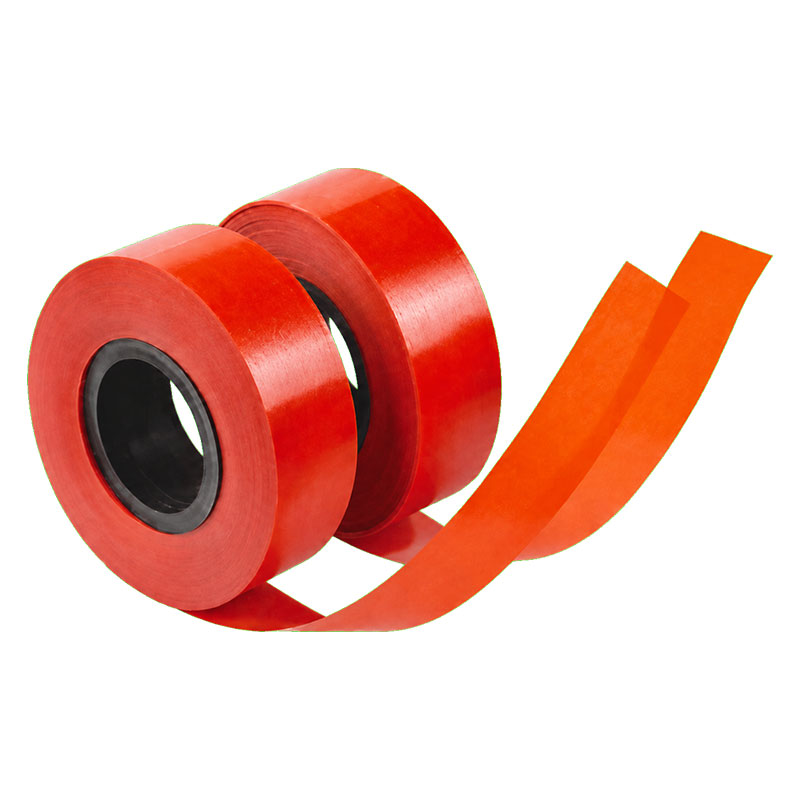
Incoming inspection is one of the clearest operational differences in DMD vs DMD prepreg. A prepreg roll can pass dimensional inspection and still be unsuitable if its shelf life, storage history, or resin behavior is outside the approved window.
DMD Prepreg Should Be Validated on the Actual Winding Process
A material data sheet cannot fully predict how prepreg will behave in a transformer factory, so DMD vs DMD prepreg validation should include the actual winding process. Conductor material, conductor width, foil surface, winding tension, layer pressure, oven design, heating rate, coil mass, and cure fixture can all influence the final bonded structure.
Before changing from standard DMD to prepreg—or changing from one prepreg specification to another—the transformer manufacturer should consider a controlled process trial. The trial can verify winding handling, cure behavior, resin flow, dimensional change, bond quality, and any effect on the finished coil geometry.
This makes DMD vs DMD prepreg a manufacturing-validation decision as well as a material-selection decision. A technically suitable prepreg still needs to work within the factory’s real process window.
Common DMD vs DMD Prepreg Selection Mistakes
Treating DMD Prepreg as Standard DMD With Extra Resin
Prepreg is a process-sensitive B-stage material. Its cure schedule, shelf life, storage, resin flow, and bonding behavior are part of its specification.
Comparing Only Breakdown Voltage
Electrical insulation is important, but bonding requirement, thickness, processability, thermal class, storage, and post-cure behavior also determine suitability.
Ignoring the Cure State on Test Reports
A test value should state whether it was measured on the supplied prepreg, after a defined cure, or on the base laminate. Otherwise, the result can be misleading.
Ordering Prepreg Without a Validated Oven and Pressure Process
The material cannot deliver its intended bonding performance if the transformer factory cannot control the required cure conditions.
Using the Same Storage Procedure for DMD and Prepreg
Standard DMD and B-stage prepreg do not have the same storage sensitivity. Prepreg requires stronger shelf-life and temperature control.
What to Put in a DMD or DMD Prepreg RFQ
A useful DMD vs DMD prepreg RFQ should clearly identify which material is required and how it will be used.
Material type: state standard DMD or DMD prepreg. Do not use “DMD insulation” as the only product description.
Thermal requirement: identify the required thermal class and the applicable material or insulation-system basis.
Dimensions: specify nominal thickness, width, roll length or sheet size, and tolerances.
Electrical properties: define breakdown voltage or other dielectric requirements and the applicable test condition.
Mechanical properties: identify tensile strength, elongation, flexibility, or other requirements when they are part of the approved specification.
For prepreg: include resin system or approved type, cure schedule, shelf life, storage condition, resin-related control values where applicable, bonding requirement, and test condition after cure.
Supply and documents: define roll/sheet/slit form, packaging, batch identification, certificate requirements, quantity, and destination.
What Prennox Needs Before Reviewing an Insulation Order
For a DMD vs DMD prepreg material review, standard DMD orders should provide the required thermal grade, nominal thickness, width or converted size, dielectric and mechanical requirements, supply form, quantity, and inspection documents. Prennox’s F-Class DMD page currently lists common thickness options and states that final dimensions, thermal class, performance requirements, and documents are confirmed before order.
For prepreg material, add the bonding application, conductor type, cure requirements, storage conditions, shelf-life expectation, and any resin-related acceptance criteria. Because prepreg performance depends on processing, the technical review should include the customer’s winding and curing conditions rather than only the material dimensions.
You can also review the broader Transformer Insulation Materials Guide for the role of different flexible insulation materials, or send a project specification through the Contact page for material matching.
Conclusion
DMD vs DMD prepreg is fundamentally a choice between a flexible insulation laminate and a process-sensitive insulation-and-bonding material. Standard DMD is well suited to layer, phase, liner, and barrier insulation where flexibility and dielectric separation are the main requirements. DMD prepreg adds a B-stage resin function that can bond the winding structure after controlled curing.
The prepreg option therefore requires more purchasing and production controls: resin condition, cure schedule, shelf life, storage temperature, handling, process validation, and post-cure acceptance. Buyers should not assume the two products are directly interchangeable just because they share a DMD base structure.
The best DMD vs DMD prepreg selection is the one that matches the transformer winding design, the required insulation system, the factory’s curing capability, and the approved inspection plan.
FAQ
What is the main difference between DMD vs DMD prepreg?
Standard DMD is primarily a flexible electrical insulation laminate, while DMD prepreg contains a partially cured resin system that can flow and bond during a controlled heat-curing process.
Can DMD prepreg replace standard DMD directly?
Not automatically. DMD prepreg changes the manufacturing process because it requires controlled storage and curing and creates a bonded structure after cure. The transformer design and production process should be validated before substitution.
Why does DMD prepreg require shelf-life control?
The resin is stored in a B-stage partially cured condition. Time and temperature can change resin reactivity, flow and final bonding behavior, so manufacture date, storage condition and shelf life should be controlled.
Is DMD prepreg always better for dry-type transformers?
No. It is useful where the winding design needs heat-activated bonding. Standard DMD may be more appropriate where flexible insulation and dielectric separation are required without a resin-bonding process.
What should be included in a DMD vs DMD prepreg RFQ?
Specify material type, thermal class, thickness, width, dielectric and mechanical requirements, supply form, quantity and inspection documents. For prepreg, also include resin/cure requirements, storage conditions, shelf life, bonding expectations and the post-cure test basis.