Transformer core loss is one of the most important performance indicators in a transformer magnetic circuit, but the number can mean different things depending on what was actually tested. A steel mill may report specific loss in watts per kilogram for grain-oriented electrical steel. A core supplier may report loss for an assembled core under defined excitation conditions. A transformer factory may report no-load loss on the complete transformer at rated voltage and frequency. These values are related, but they are not interchangeable.
For buyers and quality engineers, the first acceptance question should therefore be: What level of product does this loss report describe? If a material certificate, assembled-core report, and finished-transformer test sheet are compared as if they were the same measurement, the result can be misleading even when every individual report is technically correct.
This guide explains how to read a transformer core loss report, how material specific loss differs from assembled-core and transformer no-load loss, which test conditions should be checked, how processing and joints influence the result, and what acceptance fields should be defined before a core is purchased.
Transformer Core Loss Exists at More Than One Test Level
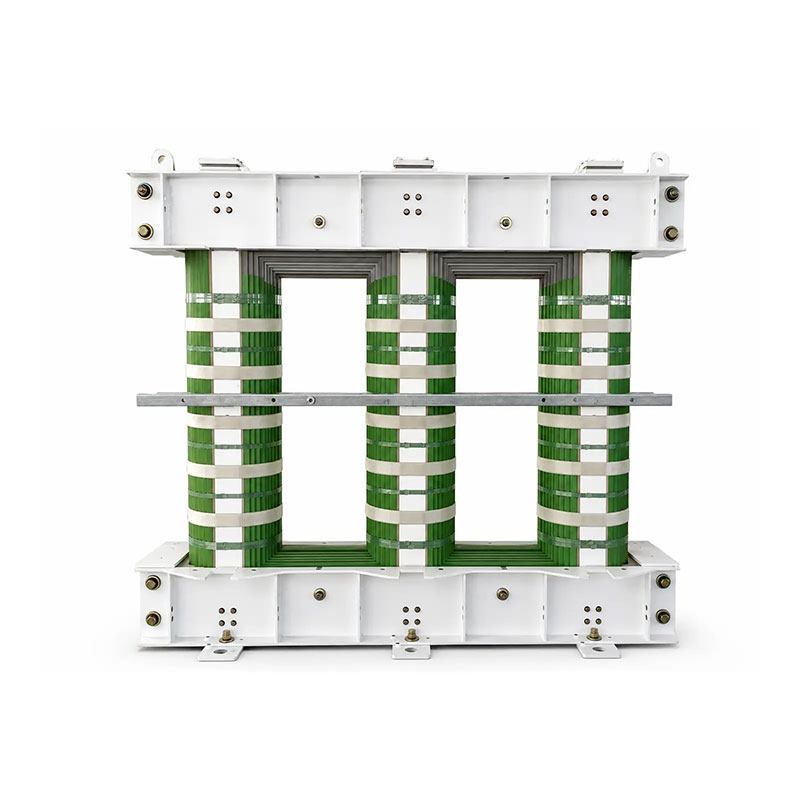
The phrase transformer core loss is often used broadly, but three different reporting levels should be separated.
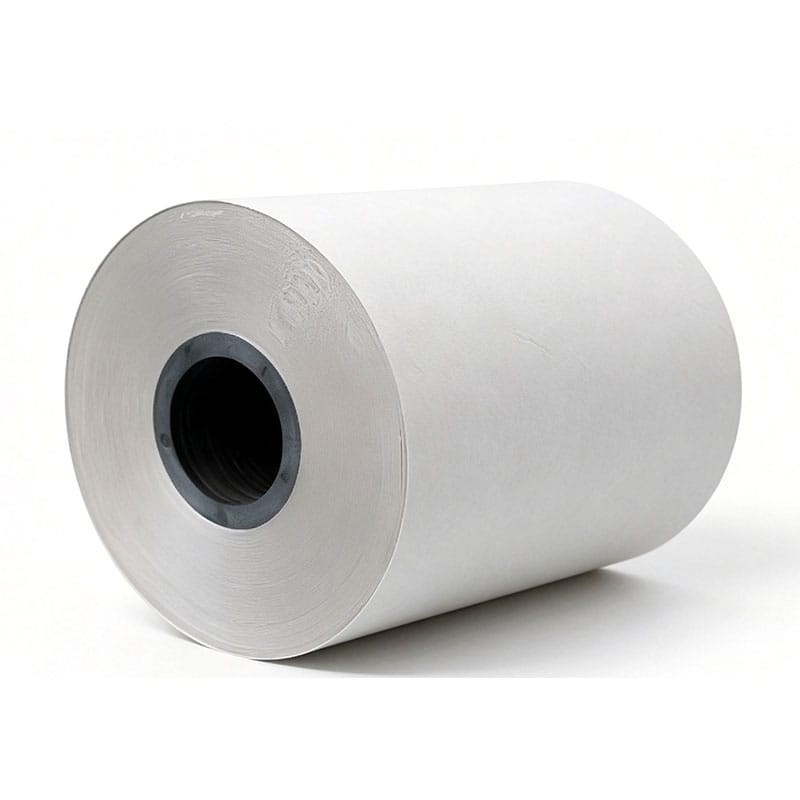
Material level: electrical steel is tested as strip or sheet under standardized magnetic conditions. The result is normally expressed as specific loss in watts per kilogram.
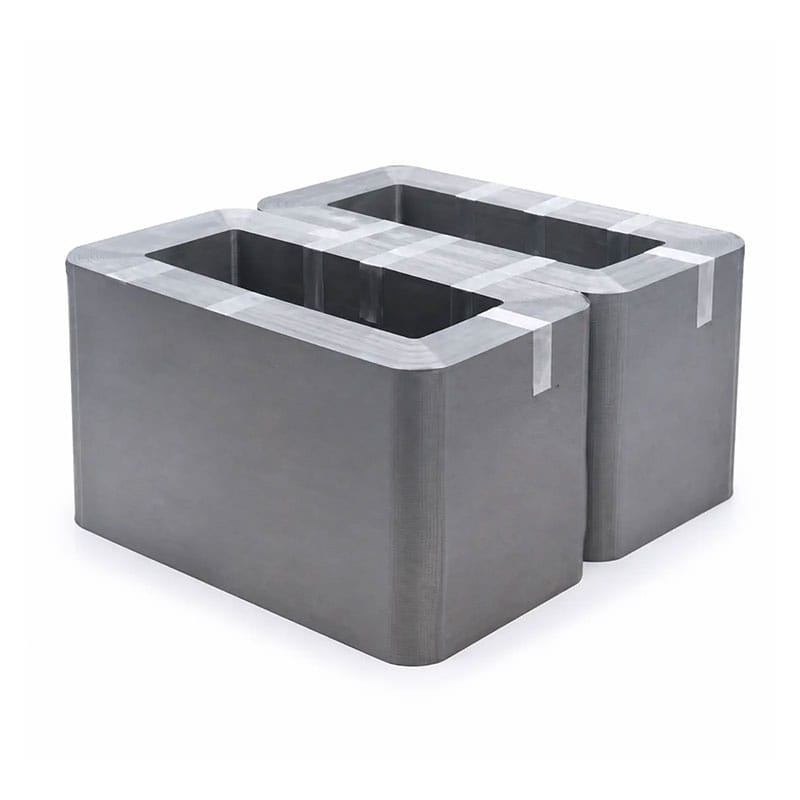
Core level: an assembled magnetic core can be excited and tested as a manufactured component. The result includes material behavior plus the effects of cutting, joints, stacking, clamping, and assembly.
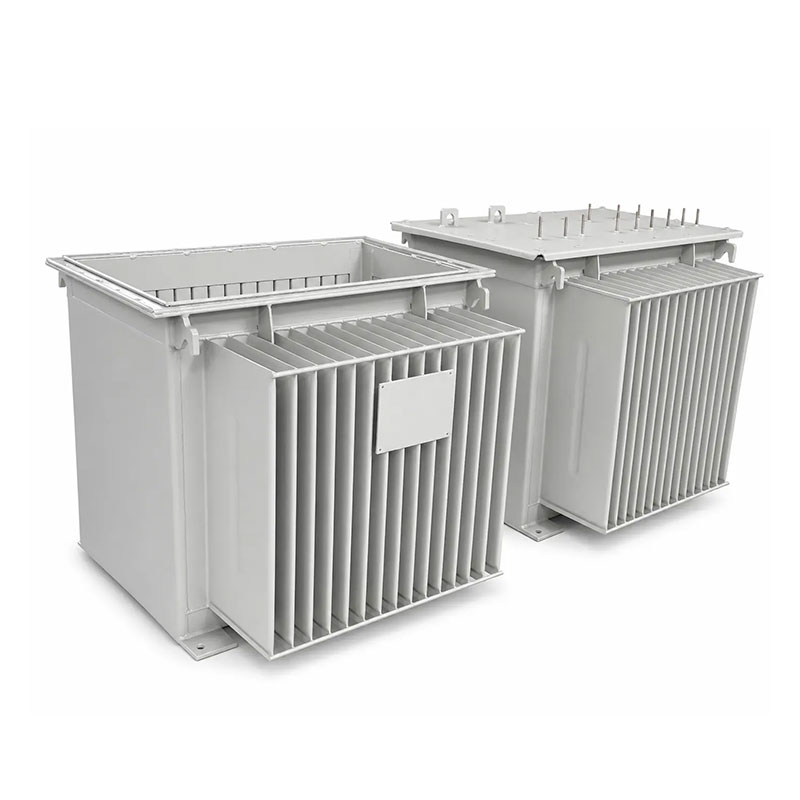
Transformer level: no-load loss is measured on the complete transformer at specified voltage and frequency. This includes the finished magnetic circuit in its final transformer configuration and can include additional effects that are not represented in a raw steel certificate.
A useful transformer core loss acceptance plan identifies which of these three levels is being guaranteed.
Electrical Steel Specific Loss Is a Material Property
Grain-oriented electrical steel is supplied with magnetic test data that usually include specific loss measured under stated magnetic conditions. This value is a material property under the specified laboratory method.
IEC 60404-3:2022 defines the measurement of AC magnetic properties of electrical steel strip and sheet using a single-sheet tester at power frequencies. The method requires defined magnetic conditions and is intended for material characterization, not direct finished-transformer acceptance.
This matters because a steel certificate can show excellent W/kg performance while the finished transformer core loss is higher due to cutting stress, burrs, step-lap geometry, clamping, assembly error, or a different operating flux density.
The material report is essential evidence, but it is only the first layer of evidence.
Do Not Multiply W/kg by Core Weight and Call It Guaranteed No-Load Loss
A common shortcut is to take the certified specific loss of the CRGO, multiply it by the calculated core mass, and treat the result as the guaranteed transformer no-load loss.
That calculation can be useful as an early design estimate, but it is not the same as measured transformer core loss. The final magnetic circuit includes joint regions, cutting effects, handling stress, local flux redistribution, mechanical pressure, actual steel mass, excitation waveform, and construction tolerances.
A finished transformer also operates at the design magnetic flux density rather than necessarily at exactly the same condition used on the material certificate.
For procurement, the safer approach is to distinguish clearly between a design calculation, a material-certificate value, a core-factory test value, and a final transformer no-load-loss guarantee.
Flux Density and Frequency Must Match Before Results Are Compared
Electrical steel loss is strongly dependent on magnetic excitation conditions. Two reports cannot be compared fairly if they use different magnetic polarization, flux density, or frequency.
For example, a material report at one magnetic condition should not be compared directly with a core or transformer measurement taken at a different operating point. The exact test basis matters.
A proper transformer core loss review should therefore record:
the magnetic polarization or flux-density basis, test frequency, test voltage where applicable, waveform or test-method requirement, material temperature if relevant to the approved procedure, and the applicable standard.
If a supplier report simply states “core loss” without the test condition, the number is incomplete for technical comparison.
CRGO Grade and Thickness Affect the Starting Loss Level
The selected electrical-steel grade sets the starting magnetic performance of the core. High-permeability CRGO can offer different loss and excitation behavior from conventional CRGO when compared under the defined test conditions.
Prennox’s current Hi-B CRGO Laminated Core for Oil-Immersed Transformers page states that material grade is selected according to the required magnetic performance and transformer design. The product is available in typical thicknesses of 0.23, 0.27, and 0.30 mm depending on the selected grade.
For dry-type applications, the CRGO Laminated Core for Dry-Type Transformers page lists conventional CRGO or Hi-B options with the same need to confirm the material and magnetic requirement before production.
A transformer core loss report should therefore identify the actual steel grade and nominal thickness used in the tested core.
Cutting and Slitting Increase the Importance of Process Control
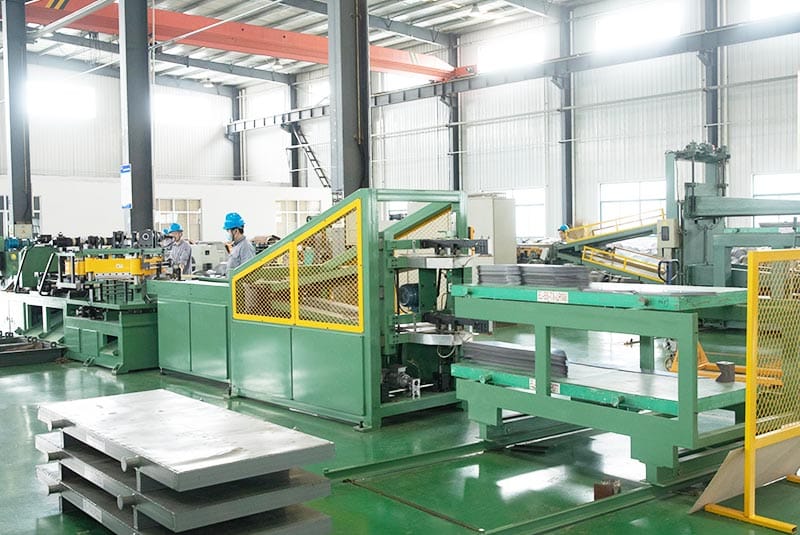
Electrical steel can lose some of its ideal material performance when it is converted into transformer-core parts. Slitting and miter cutting introduce mechanical stress near the cut edge. Burrs and coating damage can also influence stacking behavior and interlaminar contact.
The amount of impact depends on material grade, strip width, cutting condition, knife setup, lamination geometry, and the proportion of edge-affected material.
That is why transformer core loss acceptance should not focus only on the material certificate. The manufacturing route should also be controlled.
The earlier CRGO Slit Coils Width and Edge Quality Guide explains how width tolerance, burr, edge camber, and slit-coil handling can affect downstream core production.
Step-Lap and Mitered Joints Change the Finished Magnetic Circuit
Joint design is another reason material W/kg and finished-core loss differ.
A 45° mitered joint controls the lamination-end angle. A step-lap joint distributes the joint over several lamination positions. The number of steps, lap distance, layer sequence, joint alignment, and stacking accuracy can influence local magnetic flux distribution.
A properly manufactured step-lap core may reduce joint-related magnetic disturbance compared with a simpler abrupt joint, but no universal percentage should be assumed.
For transformer core loss acceptance, the buyer should verify that the tested core uses the same approved joint configuration as the production drawing.
The Step Lap Transformer Core Joints and Assembly Checks article covers these joint and stacking controls in more detail.
| Loss report level | What is being tested | What the result includes |
|---|---|---|
| Electrical steel certificate | Steel strip or sheet specimen | Material magnetic behavior under stated test conditions |
| Assembled core test | Manufactured transformer core | Material plus cutting, joints, stacking, stress and assembly effects |
| Transformer no-load test | Complete transformer | Finished magnetic circuit under transformer test conditions |
Core Mass Must Be Traceable if Loss Is Expressed Per Kilogram
If a core-factory report gives loss in watts per kilogram, the mass used in the calculation should be traceable. A difference between calculated steel weight and actual manufactured weight can change the reported specific figure.
For transformer core loss comparison, buyers should know whether the report uses theoretical mass, weighed core mass, or another agreed basis.
If the purchase order controls total core loss in watts rather than W/kg, the mass still matters to material reconciliation and design review even though it does not appear directly in the acceptance limit.
The report should avoid mixing a supplier’s theoretical core weight with a measured loss without explaining the calculation basis.
Excitation Current Should Be Reviewed Together With Core Loss
Loss is not the only useful magnetic indicator. Excitation or no-load current can provide additional information about how the magnetic circuit is behaving.
An abnormal increase in excitation current can point to joint problems, incorrect core assembly, shorted laminations, excessive flux density, material substitution, or other magnetic-circuit issues.
For this reason, a transformer core loss acceptance plan may include excitation-current data where appropriate, particularly for core or finished-transformer testing.
Loss and excitation current should be reviewed as separate parameters. A core can meet one requirement while showing unexpected behavior in the other.
Mechanical Clamping Can Influence Measured Core Performance
CRGO is sensitive to mechanical stress. Excessive pressure, uneven clamping, distortion, impacts, and forced alignment can affect magnetic behavior.
A core that is tested loosely, then heavily compressed during transformer assembly, may not reproduce exactly the same transformer core loss result after final clamping.
Therefore, if a core-level loss guarantee is required, the test setup and mechanical condition should be defined. The supplier and buyer should understand whether the core is tested in a temporary fixture, final clamp structure, or another agreed state.
This is particularly important when core-loss results are being used as a contractual acceptance criterion rather than only as internal process data.
Material Substitution Requires More Than the Same Thickness
Two electrical steels can share the same nominal thickness and still have different magnetic loss, permeability, coating, and processing restrictions.
A supplier should not substitute another CRGO grade merely because it is also 0.27 mm or 0.23 mm thick.
For a controlled transformer core loss design, any material substitution should be reviewed against the original magnetic requirements, certificate data, processing route, joint design, and predicted transformer performance.
The previous CRGO Steel Grades and Test Reports guide explains why grade labels and magnetic-property reports should be reviewed together before material approval.
No-Load Loss on the Finished Transformer Is the Final System-Level Check
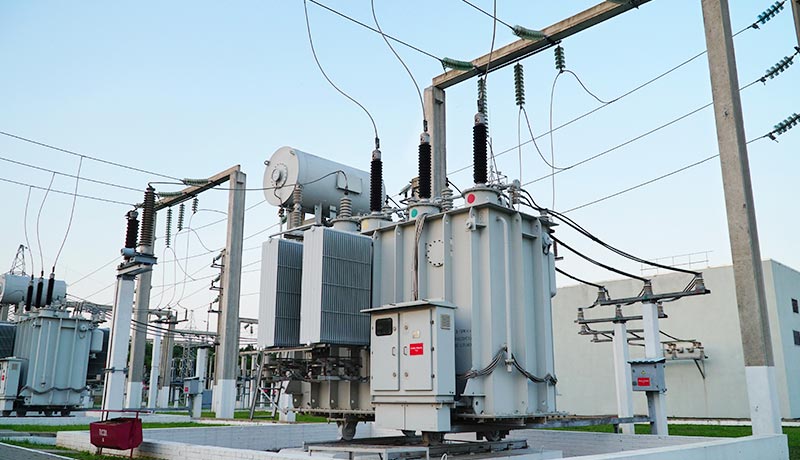
For a completed transformer, no-load loss is measured with the transformer energized under the specified test condition while the secondary remains unloaded.
This is the system-level result that most directly reflects the finished magnetic circuit in the transformer.
IEC 60076-19-1:2023 defines procedures for evaluating uncertainty in the measurement of transformer losses and explains how known measurement-chain errors are handled. This is important when acceptance margins are tight.
A transformer core loss review should therefore consider not only the measured value but also the test setup, instruments, calibration status, correction procedures, and applicable uncertainty rules where the contract requires them.
Measurement Uncertainty Matters Near an Acceptance Limit
If a guaranteed no-load-loss value and a measured result are far apart, the acceptance decision may be straightforward. If the result is close to the limit, measurement uncertainty becomes more important.
IEC 60076-19-1:2023 specifically addresses uncertainty in transformer loss measurements. A project specification should state how guaranteed values, tolerances, uncertainty, and acceptance are handled rather than leaving the issue unresolved until the factory test.
For a transformer core loss report, the buyer should record the measurement system, instrument class or calibration status as applicable, test voltage, frequency, measured loss, correction method where relevant, and the contractual acceptance basis.
This helps avoid arguments in which the measured number is discussed without the measurement-quality context.
Incoming Core Inspection Should Verify More Than Loss Data
A core that passes a magnetic test can still create production problems if dimensions, window size, stack thickness, joint alignment, surface condition, or supply completeness are wrong.
A useful incoming inspection plan therefore combines transformer core loss evidence with dimensional and visual checks.
| Acceptance item | What to verify | Why it matters |
|---|---|---|
| CRGO grade | Grade, thickness and certificate traceability | Confirms magnetic material basis |
| Core dimensions | Window, limb/yoke dimensions, stack thickness | Confirms coil fit and core geometry |
| Joint configuration | Miter, step-lap sequence and visible alignment | Confirms approved magnetic design |
| Surface / edges | Burr, coating damage, rust and contamination | Reduces interlaminar and assembly defects |
| Core loss report | Test level, condition, value and acceptance criterion | Confirms magnetic performance evidence |
| Excitation data | No-load or excitation current where specified | Provides an additional magnetic-circuit check |
| Supply form | Loose set, stacked core or assembled core | Confirms purchase scope is complete |
Common Transformer Core Loss Report Mistakes
Treating Material W/kg as Finished Transformer Loss
The steel certificate describes material performance under standardized conditions. Finished-transformer no-load loss includes the manufactured magnetic circuit and final operating test condition.
Comparing Results at Different Flux Density or Frequency
A transformer core loss value only makes sense with its excitation conditions. Do not compare numbers taken under different magnetic conditions as if they were equivalent.
Ignoring Joint and Processing Effects
Cutting, burr, step-lap geometry, clamping and stacking can all change the finished result relative to the parent material certificate.
Using an Untraceable Core Weight
If a W/kg figure is reported, the mass basis should be clear and linked to the tested core.
Ignoring Measurement Uncertainty Near the Guarantee
When the result is close to the acceptance limit, the agreed uncertainty and tolerance method can affect the final decision.
What to Include in a Transformer Core Loss RFQ
A strong transformer core loss RFQ should identify the test level and acceptance basis before production.
Material: CRGO grade, thickness, magnetic-property requirement and inspection certificate.
Core geometry: approved drawing, window dimensions, stack thickness, joint design and supply form.
Loss requirement: material specific loss, assembled-core total loss, finished-transformer no-load loss, or a clearly defined combination of these.
Test condition: flux density or magnetic polarization, frequency, voltage where applicable, test method and required report format.
Additional magnetic data: excitation current or magnetizing data where required.
Acceptance method: guaranteed value, tolerance, uncertainty treatment, witness requirement and applicable standard.
What Prennox Needs Before Reviewing a Core Loss Requirement
For laminated oil-immersed cores, Prennox asks buyers to provide the core drawing, dimensions, CRGO material requirement, joint design, supply form and quantity. The current Hi-B laminated-core page states that material grade and magnetic performance are selected according to the transformer design rather than assumed from one default grade.
For dry-type laminated cores, the same drawing-based review applies, with conventional CRGO or Hi-B material selected according to the approved requirement.
If transformer core loss is a contractual acceptance item, the inquiry should add the exact test level, magnetic condition, frequency, target value, excitation-current requirement if any, report format and uncertainty/tolerance basis.
You can review the Transformer Core Drawing Requirements, Step Lap Transformer Core Joints, and CRGO Steel Grades and Test Reports guides before submitting the final core specification through the Contact page.
Conclusion
Transformer core loss should always be read in context. A steel certificate, assembled-core test and transformer no-load test measure different levels of the magnetic system and should not be substituted for one another.
The most important checks are the material grade, steel thickness, magnetic test condition, frequency, core weight basis, joint design, cutting and stacking quality, clamping condition, excitation current, test level, and measurement uncertainty where applicable.
When those fields are defined before ordering, buyers can separate material performance from manufacturing effects and compare suppliers on a technically consistent basis. That makes loss acceptance more meaningful and reduces disputes at core inspection or transformer factory testing.
FAQ
What is transformer core loss?
Transformer core loss is the power dissipated in the magnetic core during excitation. Depending on context, the phrase may refer to material specific loss, assembled-core loss, or the core-related portion of transformer no-load loss, so the test level must be stated clearly.
Is CRGO W/kg the same as transformer no-load loss?
No. CRGO W/kg is a material test value under specified magnetic conditions. Transformer no-load loss is measured on the complete transformer and includes the effects of core geometry, joints, cutting, stacking, clamping and final excitation conditions.
Why do step-lap joints affect transformer core loss?
Joints change the local magnetic path. Step-lap designs distribute the joint over multiple lamination positions and can reduce local magnetic disturbance when correctly designed and assembled, but the result depends on geometry, steel grade and flux density.
What should be checked on a transformer core loss report?
Check the test level, CRGO grade, steel thickness, magnetic flux density or polarization, frequency, core weight basis, joint configuration, measured loss, excitation current where applicable, test method and acceptance criterion.
How should transformer core loss be specified in an RFQ?
State whether the requirement applies to material specific loss, assembled-core loss or finished-transformer no-load loss. Then define the test conditions, guaranteed value, applicable standard, tolerance, report format and uncertainty treatment where required.