What Makes a Wound Core Different
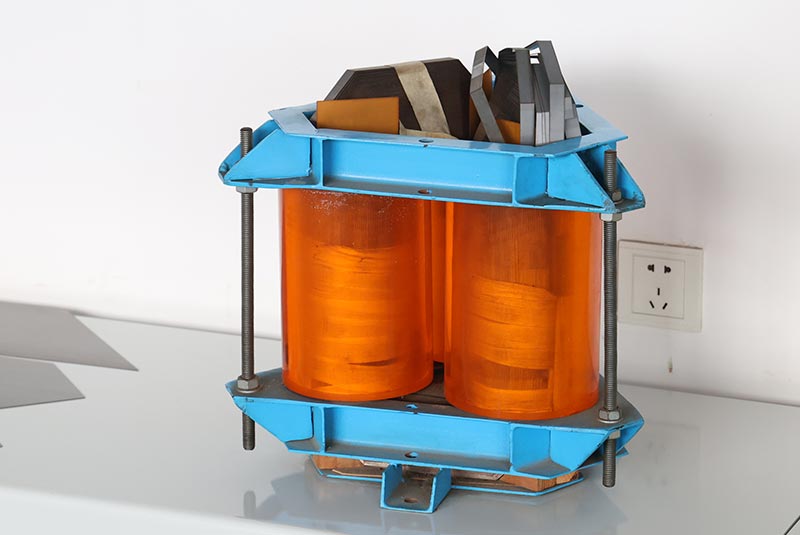
A wound transformer core is produced by winding a continuous strip of electrical steel into a closed magnetic loop. Instead of stacking individual laminations one by one, the core is formed from a steel coil that is cut, wound, annealed, and shaped according to the transformer design.
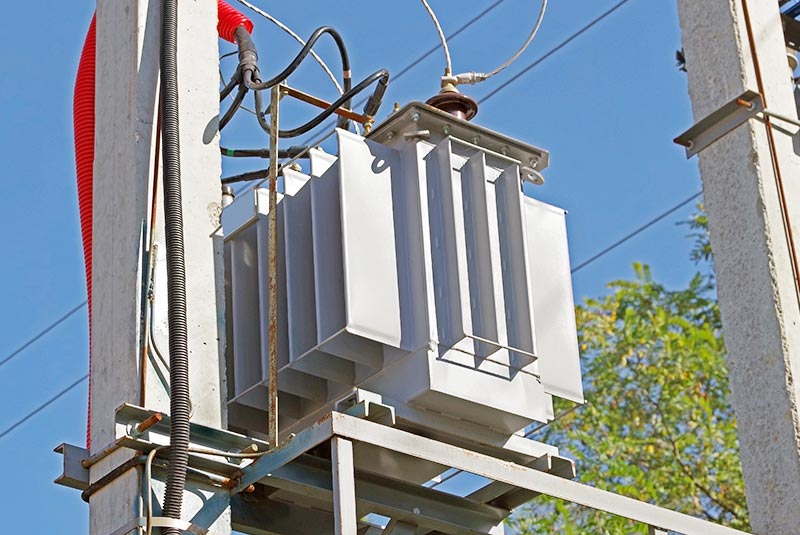
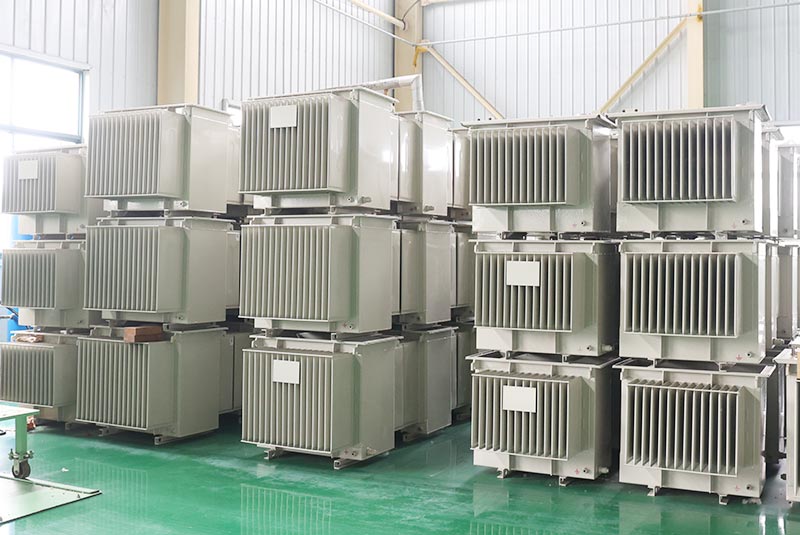
This structure is common in distribution transformers, small power transformers, current transformers, and compact high-efficiency designs where lower core loss and quiet operation are important.
How the Core Works
The wound core provides a continuous magnetic path. Because there are fewer interrupted joints than in many stacked-core designs, magnetic flux can pass through the core with less reluctance. This can reduce no-load loss and magnetizing current when the material and production process are well controlled.
In many designs, the coil windings are assembled around the core or the core is cut and reclosed around preformed coils. The best method depends on the transformer rating, insulation system, and production equipment.
Material and Process Factors
Wound cores usually use grain-oriented silicon steel or amorphous alloy strip. Grain-oriented steel offers efficient magnetic performance in the rolling direction, while amorphous alloy can provide very low no-load loss in suitable designs.
Manufacturing quality depends on strip tension, edge condition, annealing, core forming, and final dimensional accuracy. Poor handling can introduce stress into the steel and reduce magnetic performance.
Advantages in Transformer Design
The wound-core structure is valued for efficiency and compactness. It can support lower core loss, reduced noise, and good material utilization. For manufacturers, it may also reduce scrap compared with some punched lamination processes.
- Continuous magnetic path with fewer joint interruptions
- Good potential for low no-load loss
- Compact structure for selected transformer designs
- Suitable for automated production when volumes are stable
When to Choose a Wound Core
A wound core is a practical choice when the project emphasizes energy efficiency, consistent production quality, and stable demand for a defined transformer model. It is especially suitable where total ownership cost matters more than only the initial purchase price.
Before ordering, confirm the steel grade, annealing process, core dimensions, loss guarantee, noise target, and packaging method. These factors have a direct influence on transformer performance after assembly.