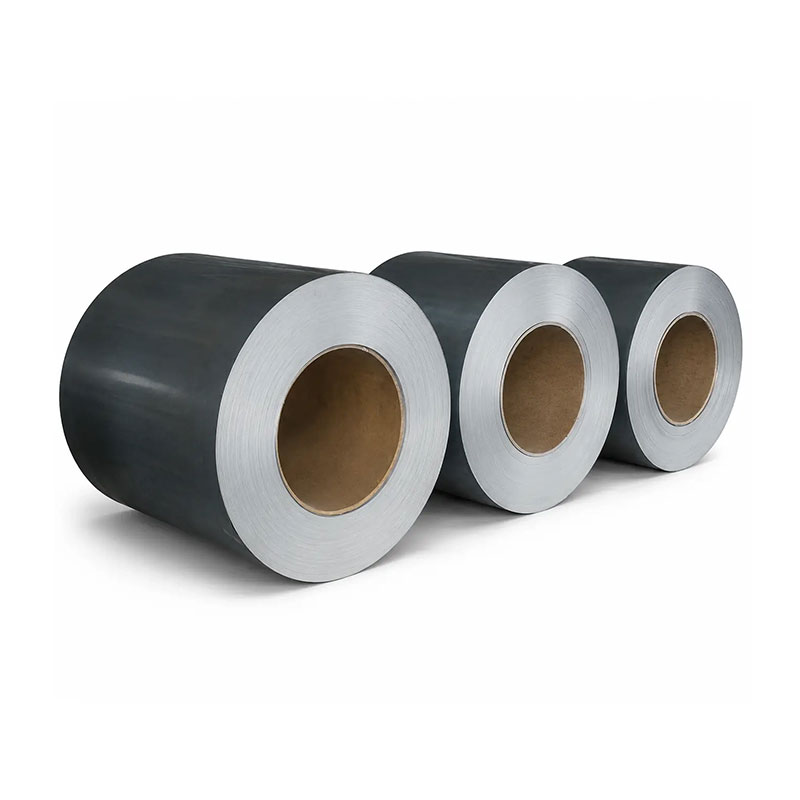
Conventional vs high permeability electrical steel is a material-selection decision that directly affects transformer core loss, excitation behavior, core cross-section, material cost, and the magnetic design margin available to the transformer engineer. Both materials are grain-oriented electrical steel, but they are not interchangeable simply because they share the same nominal thickness or are both described as CRGO.
Conventional GOES is widely used in transformer magnetic circuits and can provide reliable performance when the core is designed around the selected grade. High-permeability GOES is produced to achieve improved magnetic characteristics, typically including higher magnetic polarization and lower specific loss under defined test conditions. That can support lower no-load loss or a more compact magnetic design, but only when the selected grade and core process are compatible with the transformer design.
This guide explains conventional vs high permeability electrical steel from a transformer manufacturing and procurement perspective. It covers material classes, core loss, magnetic polarization, thickness, excitation current, core area, processing, step-lap joints, slitting, domain refinement, incoming inspection, and RFQ requirements.
IEC Separates Conventional and High Permeability GOES Into Different Classes
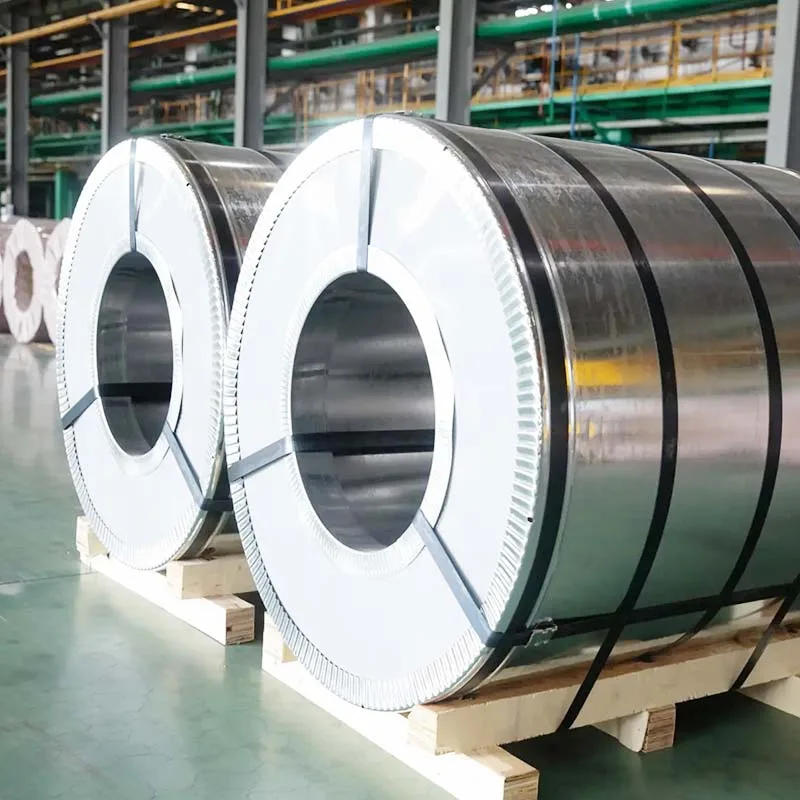
IEC 60404-8-7:2020 defines fully processed cold-rolled grain-oriented electrical steel for magnetic circuits. The current edition groups GOES into three classes: conventional grades, high-permeability grades, and magnetic-domain-refined high-permeability grades.
This classification is important in any conventional vs high permeability electrical steel review because it confirms that “high permeability” is not simply a marketing description. It is a recognized material class with different magnetic-performance expectations from conventional grain-oriented grades.
IEC 60404-8-7:2020 covers nominal thicknesses including 0.20, 0.23, 0.27, 0.30, and 0.35 mm and sets requirements for magnetic properties, geometrical characteristics, tolerances, technological characteristics, and inspection procedures.
The buyer should still confirm the exact supplier grade because two grades in the same class can have different loss limits, magnetic polarization, thickness, coating, and processing restrictions.
High Permeability GOES Is Designed for Improved Magnetic Response
In a conventional vs high permeability electrical steel comparison, high-permeability GOES is produced through tighter control of crystal orientation, chemistry, texture, and final processing so that the material magnetizes more efficiently along the rolling direction.
In practical transformer design, this can mean lower specific loss at the same magnetic condition, higher magnetic polarization, or lower excitation requirement compared with a conventional grade selected at a similar operating point.
Prennox’s current high-permeability CRGO product description states that this material class is selected where lower no-load loss, higher flux density, or improved material efficiency is required. The current documented supply range includes 0.23, 0.27, and 0.30 mm nominal thicknesses, with the final magnetic properties confirmed by grade, test method, and inspection certificate.
However, conventional vs high permeability electrical steel should not be reduced to “low loss versus high loss.” The transformer design must still account for flux density, core geometry, joints, manufacturing stress, and final no-load-loss targets.
Core Loss Is Usually the First Comparison Point
Transformer designers often compare conventional vs high permeability electrical steel because no-load loss is one of the most visible lifecycle performance parameters.
At the material level, high-permeability grades can offer lower specific loss than conventional grades under the same defined magnetic test conditions. This can help the transformer designer reduce expected core loss without changing the entire transformer architecture.
But a correct conventional vs high permeability electrical steel comparison must use the same magnetic polarization or flux density, frequency, thickness basis, and measurement method. Comparing a conventional grade tested at one condition with a high-permeability grade tested at another can create a false advantage.
The earlier Transformer Core Loss Reports and Acceptance Checks guide explains why material W/kg should not be treated as the same thing as finished transformer no-load loss.
Magnetic Polarization and Flux Density Can Change Core Design Choices
High-permeability GOES can support higher magnetic polarization under the approved material specification. This can give the designer more flexibility in choosing operating flux density and core cross-section.
For example, one design may use the improved material primarily to reduce loss at a similar flux density. Another design may use part of the magnetic-performance advantage to reduce core area while maintaining the required loss and excitation limits.
That is why conventional vs high permeability electrical steel selection should be tied to the complete transformer design objective. If the main target is minimum no-load loss, the engineer may choose a different operating point from a project whose main target is compact size or reduced core mass.
No single material-class label determines the final transformer geometry.
| Design factor | Conventional GOES | High-permeability GOES |
|---|---|---|
| Material class | Conventional grain-oriented electrical steel | High-permeability grain-oriented electrical steel |
| Typical magnetic objective | Balanced material performance and cost | Lower specific loss and/or stronger magnetic response |
| Flux-density flexibility | Defined by selected conventional grade | Can provide more design margin at comparable conditions |
| Core-size opportunity | Depends on required operating point | May support reduced core area in an optimized design |
| Procurement priority | Grade, thickness, loss data, coating, dimensions | Same controls plus careful verification of high-permeability grade performance |
Excitation Current Is Another Useful Comparison Parameter
Specific loss is not the only magnetic property relevant to a transformer core. Excitation current or magnetizing behavior also matters because it reflects how the magnetic circuit responds when energized.
High-permeability GOES can offer improved magnetization characteristics compared with conventional material. This can help reduce magnetizing demand when the core is designed and assembled correctly.
In a conventional vs high permeability electrical steel comparison, buyers should therefore review magnetic polarization or permeability data and not only one W/kg value.
Prennox’s oil-immersed laminated-core page states that the selected Hi-B material is confirmed according to required magnetic performance and transformer design, while its complete oil-immersed transformer page states that the GOES core is designed to meet confirmed loss, excitation-current, and sound-level requirements.
Thickness Changes Both Loss and Core Build
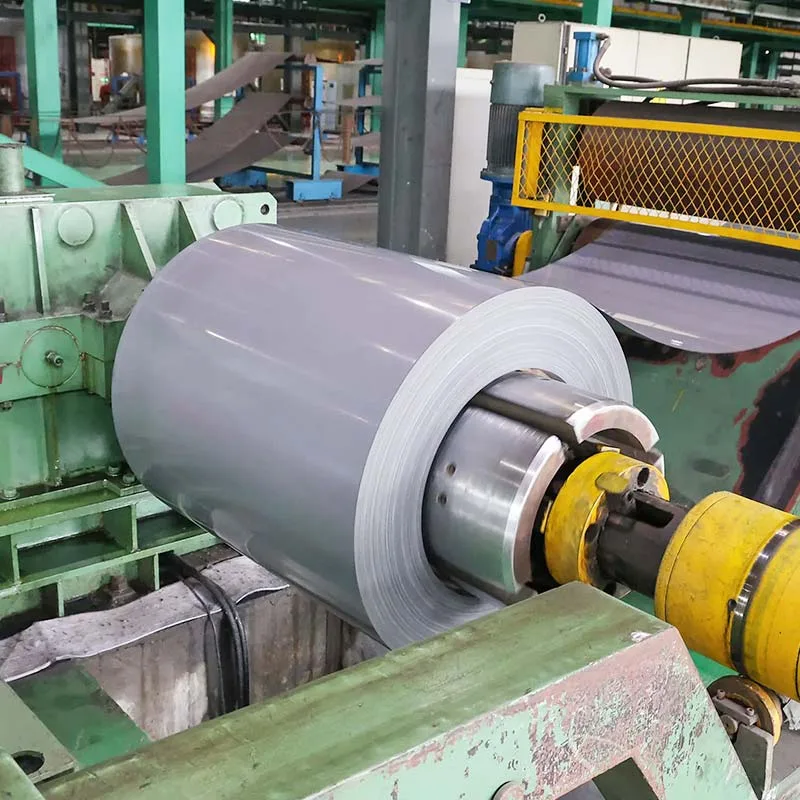
In a conventional vs high permeability electrical steel study, electrical steel thickness affects eddy-current behavior, steel weight, number of laminations, stack build, cutting time, and processing requirements.
Both conventional and high-permeability GOES are available in multiple thicknesses, and Prennox currently lists 0.23, 0.27, and 0.30 mm as common options for its CRGO slit-coil and laminated-core products.
A conventional vs high permeability electrical steel decision should therefore compare material class and thickness together. A thinner conventional grade should not be compared casually with a thicker high-permeability grade without checking the full magnetic data.
The transformer designer should also account for the number of laminations needed to reach the required stack thickness and the effect of coating and stacking factor on the final core cross-section.
High Permeability Material Does Not Eliminate Joint Loss
Even excellent steel can perform poorly if the core joints are badly designed or assembled.
Step-lap geometry, miter angle, overlap, lamination alignment, packet thickness, burr, and clamping all influence local magnetic behavior at the limb-yoke joints.
In a conventional vs high permeability electrical steel comparison, using a better material does not remove the need for precise joint design. A badly stacked high-permeability core can lose part of the expected material advantage.
The Step Lap Transformer Core Joints and Assembly Checks article explains why joint sequence and overlap need to be controlled independently from material grade.
Slitting and Cutting Quality Can Reduce the Material Advantage
Both material classes must be slit, cut, mitered, or otherwise processed before becoming a transformer core. These operations introduce edge stress and can damage coating or create burr if not controlled.
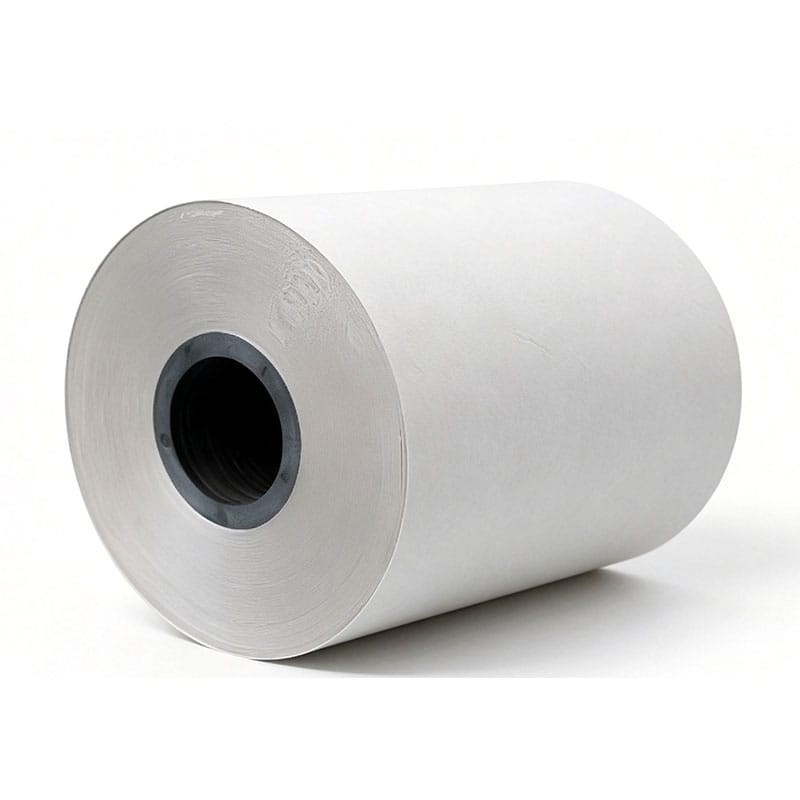
Prennox’s CRGO Electrical Steel Slit Coils & Strips page confirms that both conventional and high-permeability GOES can be supplied in slit form and that width tolerance, edge requirements, coil dimensions, and downstream processing are reviewed before production.
For conventional vs high permeability electrical steel, processing quality should therefore be treated as part of material performance. Purchasing a higher-grade parent coil does not guarantee a lower-loss finished core if slitting, cutting, and stacking quality are poor.
High Permeability and Domain-Refined Material Are Not the Same Category
IEC 60404-8-7:2020 separates high-permeability grades from magnetic-domain-refined high-permeability grades.
This distinction matters because domain-refined material can use additional processing such as laser scribing to further reduce material loss. Prennox’s current laser-scribed product describes a high-permeability GOES base material with laser domain refinement and warns that subsequent stress-relief annealing can reduce or eliminate the domain-refinement effect unless the grade is specifically approved for that process.
A conventional vs high permeability electrical steel RFQ should therefore state whether the project requires conventional GOES, non-domain-refined high-permeability GOES, or domain-refined high-permeability material.
Do not use “Hi-B” as a blanket term for every improved GOES product.
Material Selection Should Match the Core Manufacturing Route
The intended downstream process can change which electrical steel is appropriate.
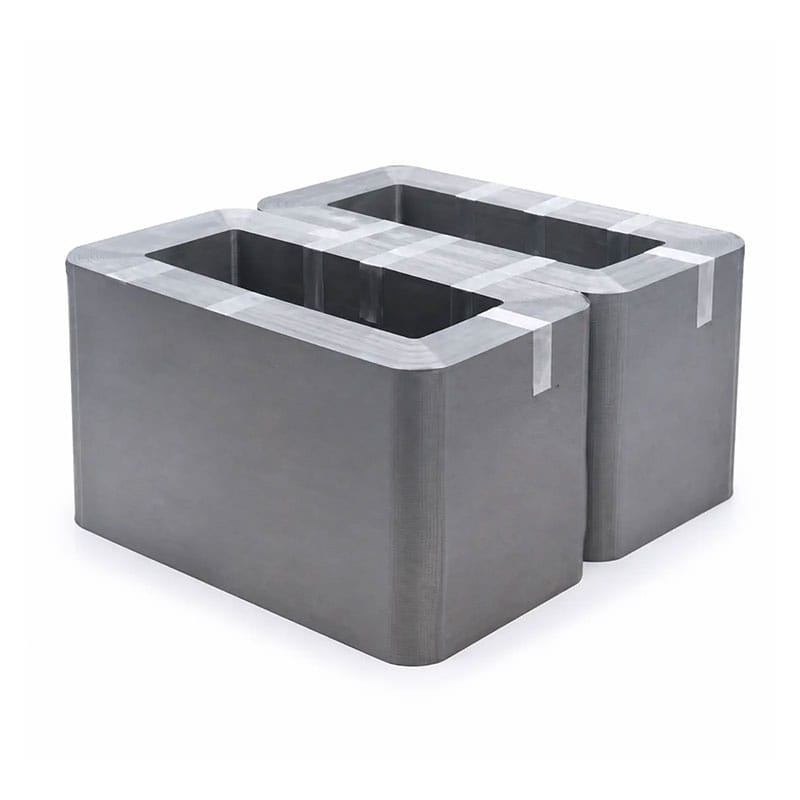
Laminated cores typically use slit and cut sheets assembled with mitered or step-lap joints. Wound cores can involve continuous strip, forming, opening and reclosing, and sometimes stress-relief annealing depending on material and process.
A conventional vs high permeability electrical steel decision should therefore identify whether the material will be used in a laminated core, wound core, 3D wound core, or another configuration.
For dry-type laminated cores, Prennox currently offers conventional CRGO or Hi-B material according to the required magnetic performance. For oil-immersed laminated cores, its current product page focuses on Hi-B options selected according to transformer design.
Core Size and Material Weight Should Be Compared at Transformer Level
Higher magnetic performance may allow the designer to reduce core cross-section or steel mass in some designs. But this is not automatic.
If the transformer uses the improved material only to lower loss at the same magnetic design point, core dimensions may remain similar. If the design uses a higher operating magnetic flux density, the engineer may be able to reduce core area, but loss, sound, excitation, thermal behavior, and manufacturing margins must still be checked.
Therefore, conventional vs high permeability electrical steel should be compared using complete transformer designs rather than material price per ton or steel weight alone.
A material that costs more per kilogram may still be attractive if it reduces lifetime no-load loss or supports a smaller core, while a conventional grade may remain the better fit when target losses are moderate and material efficiency is already acceptable.
Sound Performance Is Not Controlled by Material Class Alone
High-permeability GOES can influence magnetizing behavior, but transformer sound depends on more than the material class.
Magnetostriction, flux density, core joints, clamping pressure, structural vibration, tank or enclosure resonance, winding forces, and cooling equipment all contribute to sound.
For conventional vs high permeability electrical steel projects with a sound guarantee, the buyer should compare complete transformer sound data rather than assuming high-permeability material automatically creates a quiet transformer.
Material Reports Must Use Comparable Test Conditions
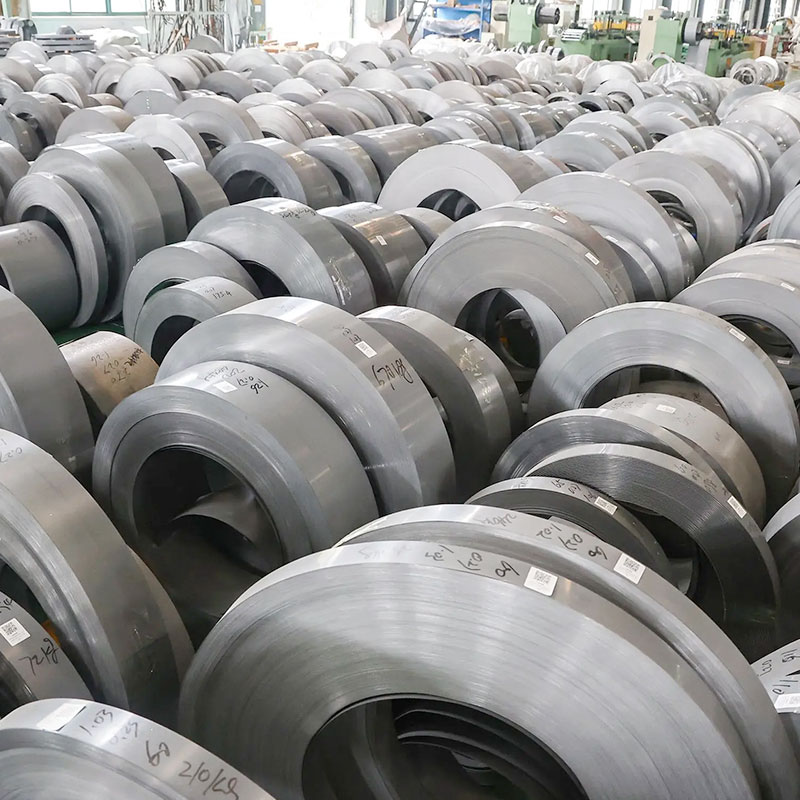
A proper conventional vs high permeability electrical steel procurement comparison needs more than grade names.
The buyer should review specific loss, magnetic polarization or permeability, nominal thickness, coating, test frequency, test method, and batch traceability.
If one supplier reports material loss using a single-sheet tester and another uses an Epstein frame or a converted value, the test basis should be understood before the numbers are compared.
IEC 60404-8-7:2020 specifically identifies the single-sheet tester as the reference measurement method for domain-refined high-permeability grades and includes a conversion approach to equivalent Epstein values.
This is another reason conventional vs high permeability electrical steel should be evaluated from the full certificate, not a single headline number.
| Certificate field | Why it matters | Acceptance question |
|---|---|---|
| Material class | Identifies conventional, high-permeability or domain-refined grade | Does it match the approved design? |
| Grade designation | Links the coil to the required magnetic specification | Is substitution permitted? |
| Thickness | Affects loss, core build and processing | Does it match the core drawing? |
| Specific loss | Provides material-level loss performance | Are the magnetic conditions comparable? |
| Polarization / permeability | Shows magnetization behavior | Does it meet the design target? |
| Test method | Controls comparability of magnetic data | Was the agreed method used? |
| Batch / coil ID | Provides traceability | Does the certificate match the delivered coil? |
Common Conventional vs High Permeability Electrical Steel Mistakes
Assuming Hi-B Means One Universal Grade
High-permeability GOES includes multiple grades and performance levels. The exact material must be confirmed from the supplier specification and certificate.
Comparing Different Thicknesses Without Normalizing the Design
Loss and core build change with thickness. A valid conventional vs high permeability electrical steel comparison should account for both material class and thickness.
Assuming High Permeability Automatically Reduces Core Size
Reduced core area is a transformer-design choice. The material can provide more design margin, but the engineer decides how that margin is used.
Ignoring Cutting and Joint Quality
Poor processing can reduce the benefit of a higher-grade electrical steel.
Confusing High Permeability With Domain Refinement
High-permeability grades and domain-refined high-permeability grades are separate IEC classes and can have different downstream process restrictions.
What to Include in a Conventional vs High Permeability Electrical Steel RFQ
A strong conventional vs high permeability electrical steel RFQ should connect the material requirement to the transformer design.
Material class: conventional GOES, high-permeability GOES, or domain-refined high-permeability GOES.
Grade or magnetic target: supplier grade, IEC/GB class, specific-loss limit, polarization/permeability requirement, and test condition.
Thickness: nominal steel thickness required by the core design.
Delivery form: full coil, slit coil, slit strip, cut lamination, or finished core.
Dimensions: coil width, slit width and tolerance, inner diameter, finished coil weight, or core drawing as applicable.
Downstream process: laminated core, wound core, laser-scribed material, slitting, cutting, annealing, or other processing that can affect suitability.
Documentation: inspection certificate, batch traceability, magnetic data, quantity, packing, and destination.
What Prennox Needs Before Reviewing the Material Choice
Prennox currently supplies both conventional and high-permeability GOES in slit-coil form according to confirmed grade, thickness, width, tolerance, and coil configuration. Its dry-type laminated-core product also lists conventional CRGO or Hi-B material options depending on the required transformer design.
For high-permeability material, Prennox’s current product information lists 0.23, 0.27, and 0.30 mm nominal thicknesses, an 800–1000 mm standard coil width, a 510 mm coil inner diameter, and full-coil or slit delivery forms, with magnetic properties confirmed by grade, test method, and inspection certificate.
These values are current supply ranges, not universal recommendations. The correct conventional vs high permeability electrical steel choice still depends on the transformer’s target no-load loss, excitation behavior, flux density, core geometry, joint design, and downstream processing.
For material-grade review, see the CRGO Steel Grades and Test Reports article. For processing details, the CRGO Slit Coils Width and Edge Quality Guide and Laser Scribed Electrical Steel Processing Guide provide additional context. Project requirements can be sent through the Contact page.
Conclusion
Conventional vs high permeability electrical steel is not a simple good-versus-better comparison. Conventional GOES can be the correct material when the transformer design meets its loss, excitation, size, and cost targets. High-permeability GOES becomes attractive when the project needs lower material loss, stronger magnetic response, or more design margin for core optimization.
The correct choice should compare the exact grade, thickness, specific loss, magnetic polarization or permeability, core geometry, flux density, joint design, slitting and cutting route, domain-refinement condition, and finished transformer requirements.
Buyers should therefore evaluate complete magnetic data and the downstream core process rather than relying on the labels “conventional” or “Hi-B.” The best material is the one that supports the approved transformer design with traceable performance and a manufacturing route that preserves that performance.
FAQ
What is the difference between conventional vs high permeability electrical steel?
Conventional GOES and high-permeability GOES are different grain-oriented electrical steel classes. High-permeability material is designed to provide improved magnetic response, typically including lower specific loss and higher magnetic polarization under defined test conditions.
Does high permeability electrical steel always reduce transformer core loss?
It can reduce material-level loss compared with a suitable conventional grade under the same test conditions, but finished transformer loss also depends on flux density, core joints, cutting, stacking, clamping and the complete transformer design.
Can high permeability GOES reduce transformer core size?
Potentially, but only if the transformer designer uses the additional magnetic-performance margin to increase operating flux density or optimize the core cross-section. It is not an automatic result of changing material.
Is high permeability GOES the same as laser-scribed electrical steel?
No. High-permeability GOES is a material class. Laser-scribed electrical steel is a domain-refined high-permeability material that receives additional treatment to reduce magnetic-domain size. IEC 60404-8-7 treats these as separate classes.
What should be included in a conventional vs high permeability electrical steel RFQ?
Provide material class, grade or magnetic target, thickness, specific-loss and polarization requirements, test conditions, delivery form, dimensions, downstream core process, inspection certificate requirements, quantity, packing, and destination.